

Indapatta ( Kinh đô của Kuru)
Indapatta - Kinh đô của bộ tộc Kuru, nơi Ngài giảng kinh Niệm xứ và kinh Đại duyên.
Tìm kiếm nhanh
ID:94 Indapatta ( Kinh đô của Kuru)
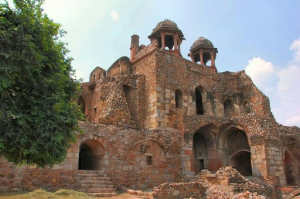
ID:94
Class:4
Section:A
General Information
Tên gọi |
: | Indapatta ( Kinh đô của Kuru) |
|---|---|---|
| Academic Year | : | 2020 |
| Gender | : | Không xác định |
| Religion | : | Group |
| blood | : | B+ |
Other Information
Indapatta - Kinh đô của bộ tộc Kuru, nơi Ngài giảng kinh Niệm xứ và kinh Đại duyên.
Indapatta ( Kinh đô của Kuru)
-
Indapatta - Kinh đô của bộ tộc Kuru, nơi Ngài giảng kinh Niệm xứ và kinh Đại duyên.

-
Indapatta (Indapattana, Indapattha).-
A town in the Kuru country. In the Kurudhamma Jātaka (J.ii.365f; also J.iii.400; iv.361; v.457; vi.255; Cyp.i.3, v.1), Dhanañjaya Koravya, is mentioned as its king and as the owner of Añjanavasabha, the elephant of wondrous power.
The town was seven leagues in extent (J.v.57; 484) and there was a road that ran straight from Indapatta to Bārānasī (J.v.59).
In times past, Indapatta was considered one of the three chief cities of Jambudīpa, the others being Uttarapañcāla and Kekaka (J.ii.213, 214).
According to a verse found at the end of the Buddhavamsa (Bu.xxviii.11), the Buddha's razor and needle were enshrined at Indapatta.
The modern Delhi stands on the site of Indapatta.
https://www.palikanon.com/english/pali_names/i_/indapatta.htm
From Wikipedia, the free encyclopedia
"Indraprastham" redirects here. For the film, see Indraprastham (film).
|
Indraprastha Delhi |
|
|---|---|

Indraprastha Location in Indraprastha |
|
Coordinates:  28.6138954°N 77.2090057°E |
|
| Country | India |
| State | Delhi |
| Founded by | Pandav |
| Named for | Indradev |

Indraprastha (Sanskrit: इन्द्रप्रस्थ, [in̪d̪ɾɐpɾɐst̪ʰə]) (lit. "Plain of Indra"[1] or "City of Indra") is a city cited in ancient Indian literature as a constituent of the Kuru Kingdom. It was designated the capital of the Pandavas, a brotherly quintet in the Hindu epic Mahabharata. Under the Pali form of its name, Indapatta, it is also broached upon in Buddhist texts as the capital of the Kuru Mahajanapada. The topography of the medieval fort Purana Qila on the banks of the river Yamuna matches the literary description of the citadel Indraprastha in the Mahabharata; The city is sometimes also referred to as Khandavaprastha or Khandava Forest, the epithet of a forested region situated on the banks of Yamuna river which, going by the Hindu epic Mahabharata, was cleared by Krishna and Arjuna to build the city.[2]
History
[edit]
Indraprastha is referenced in the Mahabharata, an ancient Sanskrit text penned by the author Vyasa. It was one of the five places sought for the sake of peace, and, to avert a disastrous war, Krishna proposed that if Hastinapura consented to give the Pandavas only five villages, namely, Indraprastha, Svarnaprastha (Sonipat), Panduprastha (Panipat), Vyaghraprastha (Baghpat), and Tilaprastha (Tilpat),[3] then they would be satisfied and would make no more demands. Duryodhana vehemently refused, commenting that he would not part with land even as much as the point of a needle. Thus, the stage was set for the great war for which the epic of Mahabharata is known most of all. The Mahabharata records Indraprastha as being home to the Pandavas, whose wars with the Kauravas it describes.


In Pali Buddhist literature, Indraprastha was known as Indapatta. The location of Indraprastha is uncertain, but the Purana Qila in present-day New Delhi is frequently cited[a][5] and has been noted as such in texts as old as the 14th-century CE.[6] The modern form of the name, Inderpat, continued to be applied to the Purana Qila area into the early 20th century;[7] in a study of ancient Indian place-names, Michael Witzel considers this to be one of many places from the Sanskrit Epics whose names have been retained into modern times, such as Kaushambi/Kosam.[8]
Location
[edit]
Purana Qila is certainly an ancient settlement but archaeological studies performed there since the 1950s[b][c] have failed to reveal structures and artefacts that would confirm the architectural grandeur and rich lives in the period that the Mahabharata describes. The historian Upinder Singh notes that despite the academic debate, "Ultimately, there is no way of conclusively proving or disproving whether the Pandavas or Kauravas ever lived ...".[6] However, it is possible that the main part of the ancient city has not been reached by excavations so far, but rather falls under the unexcavated area extending directly to the south of Purana Qila.[d] Overall, Delhi has been the center of the area where the ancient city has historically been estimated to be. Until 1913, a village called Indrapat existed within the fort walls.[11] As of 2014, the Archaeological Survey of India is continuing excavation in Purana Qila.[12]
Historical significance
[edit]
Indraprastha is not only known from the Mahabharata. It is also mentioned as "Indapatta" or "Indapattana" in Pali-language Buddhist texts, where it is described as the capital of the Kuru Kingdom,[13] situated on the Yamuna River.[14] The Buddhist literature also mentions Hatthinipura (Hastinapura) and several smaller towns and villages of the Kuru kingdom.[13] Indraprastha may have been known to the Greco-Roman world as well: it is thought to be mentioned in Ptolemy's Geography dating from the 2nd century CE as the city "Indabara", possibly derived from the Prakrit form "Indabatta", and which was probably in the vicinity of Delhi.[15] Upinder Singh (2004) describes this equation of Indabara with Indraprastha as "plausible".[16] Indraprastha is also named as a pratigana (district) of the Delhi region in a Sanskrit inscription dated to 1327 CE, discovered in Raisina area of New Delhi.[17]
D. C. Sircar, an epigraphist, believed Indraprastha was a significant city in the Mauryan period, based on analysis of a stone carving found in the Delhi area at Sriniwaspuri which records the reign of the Mauryan emperor Ashoka.[citation needed] Singh has cast doubt on this interpretation because the inscription does not actually refer to Indraprastha and although
"... a place of importance must certainly have been located in the vicinity of the rock edict, exactly which one it was and what it was known as, is uncertain."
-Singh[18]
Similarly, remains, such as an iron pillar, that have been associated with Ashoka are not indubitably so: their composition is atypical and the inscriptions are vague.[6]
https://en.wikipedia.org/wiki/Indraprastha
.
Under the Ministry of Tourism's 'Adopt a Heritage' initiative, the Sabhyata Foundation of the Dalmia Group has taken on the responsibility of maintaining and operating the Purana Qila, promoting sustainable tourism at the site.
- The foundation envisions the monument as 'Indraprastha and the Mahabharata'.
- Purana Qila was built by Mughal emperor Humayun.
- The Archaeological Survey of India (ASI) is going to start the 7th phase of excavation at the site to find evidence of the fort's connection with the ancient site of Indraprastha and the Mahabharata.
Findings in 2014 and Significance of Painted Grey Ware:
- In 1954, archeologist B.B. Lal conducted the first excavation of the site.
- In 2014, a significant discovery of grey pottery rolled up inside a piece of soft white cotton cloth was made.
- The pottery, known as Painted Grey Ware (PGW), establishes a link between the site and the ancient city of Indraprastha.
- PGW is a fine, smooth, and grey-colored pottery produced using specific firing techniques. It features geometric patterns in black or deep chocolate brown, primarily found in bowls and dishes.
- PGW is dated between approximately 1100 BCE and 500/400 BCE, matching the estimated timeframe for the composition of the Mahabharata.
- Notably, PGW forms the lowest cultural deposit in other Mahabharata-related sites excavated by B.B. Lal, including Hastinapur, Tilpat, and Kurukshetra, suggesting a connection between Purana Qila and the epic.
- B.B. Lal firmly established the association of PGW with the Mahabharata period.
- The Purana Qila excavation provides evidence of continuous habitation in Delhi from 1200 BCE to the present day.
Diverse Perspectives on the Connection:
- While the presence of PGW suggests a link to the Mahabharata, some archeologists hold a different view.
- They emphasise the lack of conclusive evidence to prove the actual occurrence of the events described in the epic.
Historical Context of Indraprastha:

- Indraprastha, mentioned in ancient Indian literature, was the capital city of the Kuru Kingdom.
- During the Mauryan period, Indraprastha was known as Indapatta, serving as the capital of the Kuru Mahajanapada.
- Modern historians generally agree that the city was located in the region of present-day New Delhi, particularly the area known as Purana Qila.
- The Kuru kingdom emerged during the Middle Vedic period (1200 BCE), including parts of modern-day Haryana, Delhi, and western Uttar Pradesh, and declined in importance during the late Vedic period (900-500 BCE).
- The archaeological Painted Grey Ware culture corresponds to the Kuru kingdom's existence.
Must Check: UPSC Coaching Institute In Delhi
INDAPATTA
Kinh đô cổ của Kuru trong truyền thống Pāli
KẾT LUẬN CHÍNH
Indapatta là đô thị được truyền thống Pāli, đặc biệt Jātaka và chú giải, xác định là kinh đô của vương quốc Kuru.
Hierarchy đề nghị:
KURU
↓
INDAPATTA
Nhưng cần phân biệt rất rõ:
KURU
= quốc gia/lãnh thổ.
INDAPATTA
= kinh đô/thành phố trong truyền thống.
KAMMĀSADHAMMA
= một nigama khác của Kuru, nơi nhiều bài kinh quan trọng của Đức Phật được thuyết.
Không được merge ba thực thể này.
1. TÊN CHUẨN
Pāli
Indapatta
Các variant:
-
Indapatta
-
Indapattana
-
Indapaṭṭha / Indapattha
Sanskrit tương ứng
Indraprastha
Đây là tên nổi tiếng trong Sanskritic/Mahābhārata tradition.
2. TÊN VIỆT
Có thể dùng:
Indapatta – kinh đô của Kuru
Tên record hiện tại:
Indapatta (Kinh đô của Kuru)
GIỮ ĐƯỢC.
Tên đề nghị chuẩn hơn:
Indapatta – kinh đô cổ của Kuru
3. SLUG
Hiện tại:
indapatta-kinh-do-cua-kuru-
Có dấu - thừa ở cuối.
Nếu URL đã index:
KHÔNG đổi trực tiếp.
Nếu chuẩn hóa sau này:
indapatta-kinh-do-kuru
hoặc:
indapatta-kinh-do-cua-kuru
nhưng cần 301 redirect URL cũ.
4. PLACE TYPE
Các Jātaka/commentarial texts trực tiếp dùng:
Indapattanagara
= thành phố Indapatta.
Do đó:
place_type = nagara / city
là hợp lý.
5. ANCIENT POLITY
KURU
Hierarchy:
KURU
↓
INDAPATTA
Indapatta được truyền thống Pāli xác định là:
kinh đô của Kuru.
6. KURU LÀ MAHĀJANAPADA
Kuru được canonical sources liệt kê trong:
nhóm các Mahājanapada / các quốc gia lớn của Bắc Ấn cổ đại.
Do đó political hierarchy:
Kuru → mahājanapada/polity
Indapatta → capital_city_of → Kuru
7. KHÔNG ĐỒNG NHẤT KURU VỚI INDAPATTA
Không:
Kuru = Indapatta.
Đúng:
Kuru
= territory/polity.
Indapatta
= city/capital.
8. KAMMĀSADHAMMA LÀ ĐỊA DANH KHÁC
Đây là điểm database cực kỳ quan trọng.
Canonical formula:
kurūsu ... kammāsadhammaṃ nāma kurūnaṃ nigamo
cho thấy:
Kammāsadhamma là một nigama của người Kuru.
Hierarchy:
KURU
├── INDAPATTA
└── KAMMĀSADHAMMA
Không:
INDAPATTA
↓
KAMMĀSADHAMMA
nếu không có evidence độc lập.
CANONICAL / NIKĀYA
9. KURU RẤT QUAN TRỌNG TRONG NIKĀYA
Đức Phật chắc chắn:
trú và thuyết pháp trong xứ Kuru.
Các bài kinh cực kỳ quan trọng liên hệ Kuru gồm:
-
Mahāsatipaṭṭhāna;
-
Satipaṭṭhāna;
-
Mahānidāna;
-
Māgaṇḍiya;
-
Ariyavāsa;
-
và nhiều bài khác.
Nhưng:
KURU ≠ INDAPATTA.
10. KHÔNG CHUYỂN AUTOMATICALLY CÁC KURU SUTTAS VÀO INDAPATTA
Nếu source chỉ nói:
kurūsu
hoặc:
Kammāsadhamma,
không được gắn event vào:
Indapatta.
Đây là lỗi geographic inference.
11. MAHĀSATIPAṬṬHĀNA SUTTA
DN22:
Mahāsatipaṭṭhāna Sutta
đặt Đức Phật:
among the Kurus at Kammāsadhamma.
Không phải:
Indapatta.
Database:
DN22 → Kuru
DN22 → Kammāsadhamma
không:
DN22 → Indapatta.
12. SATIPAṬṬHĀNA SUTTA
MN10 cũng thuộc:
Kuru / Kammāsadhamma context.
Không dùng MN10 làm bằng chứng:
Đức Phật giảng tại Indapatta.
13. MAHĀNIDĀNA SUTTA
DN15:
Mahānidāna Sutta
cũng thuộc Kuru context.
Nhưng:
không có nghĩa:
Indapatta.
Nếu passage không trực tiếp nói Indapatta:
không tạo location relation.
14. BUDDHA VISITED INDAPATTA?
Đối với database, nên ghi:
NOT DIRECTLY ATTESTED / NOT ESTABLISHED FROM THE MAJOR NIKĀYA PASSAGES.
Nói cách khác:
Buddha_visited_Kuru = YES
nhưng:
Buddha_visited_Indapatta = NOT DIRECTLY ATTESTED
trừ khi tìm được passage canonical gọi đích danh Indapatta.
15. ĐÂY LÀ KHÁC BIỆT QUAN TRỌNG
Không suy luận:
Đức Phật đến Kuru
↓
Kinh đô Kuru là Indapatta
↓
Đức Phật chắc chắn đến Indapatta.
Đó là:
geographic inference
chứ không phải textual evidence.
JĀTAKA / COMMENTARY
16. ĐÂY MỚI LÀ LỚP NGUỒN MẠNH NHẤT CỦA INDAPATTA
Indapatta xuất hiện nổi bật trong:
Jātaka.
Nó thường được mô tả:
thành phố Kuru
và:
nơi các vua Kuru trị vì.
17. KURUDHAMMA JĀTAKA – JA 276
Một trong những sources quan trọng nhất:
KURUDHAMMA JĀTAKA.
Narrative đặt:
Dhanañjaya Korabya
làm vua:
tại Indapatta trong Kuru.
18. DHANAÑJAYA KORABYA
Pāli commentary giải thích:
Dhanañjaya
là tên vua.
Korabya
chỉ sự liên hệ của ông với:
Kuru/Korava.
Database:
Dhanañjaya Korabya → ruler_of → Kuru
Dhanañjaya Korabya → residence/capital → Indapatta
19. KURUDHAMMA
Trong Kurudhamma Jātaka:
vua và nhiều người tại triều đình giữ:
Kuru-dhamma.
Nội dung được truyền thống giải thích theo đạo đức/ngũ giới.
Indapatta do đó có association:
KURU-DHAMMA
đạo đức của người Kuru.
20. CON VOI AÑJANAVASABHA
Dhanañjaya sở hữu:
Añjanavasabha,
con voi nổi tiếng trong narrative.
Một vùng khác gặp hạn hán và tin rằng:
con voi của vua Kuru có thể đem lại mưa.
Đây là:
JĀTAKA NARRATIVE.
Không phải archaeology/history đã xác nhận.
21. SÁU BỐ THÍ ĐƯỜNG
Jātaka tradition kể Dhanañjaya thiết lập:
sáu nơi bố thí.
Gồm:
-
bốn cổng thành;
-
trung tâm thành;
-
khu vực cung/nhà vua.
Đây là dữ liệu rất thú vị để reconstruction.
Nhưng phải ghi:
JĀTAKA / COMMENTARIAL CITY DESCRIPTION
không phải:
archaeological urban plan.
22. KHÔNG DÙNG “SÁU BỐ THÍ ĐƯỜNG” ĐỂ VẼ BẢN ĐỒ KHẢO CỔ
Có thể minh họa:
PHỤC DỰNG THEO JĀTAKA.
Không thể dùng nó để xác định:
-
cổng Đông;
-
cổng Tây;
-
palace location;
-
city center
của archaeological Indraprastha.
23. VIDHURA PAṆḌITA JĀTAKA – JA 545/546 TRADITION
Indapatta cũng nổi bật trong:
VIDHURA PAṆḌITA JĀTAKA.
Vua:
Dhanañjaya Korabya
trị vì tại Indapatta.
Nhân vật chính:
Vidhura Paṇḍita
là vị đại thần/trí giả của nhà vua.
24. VIDHURA
Vidhura nổi tiếng về:
trí tuệ và đạo đức.
Narrative kết nối:
-
Kuru king;
-
Nāga king;
-
Supaṇṇa/Garuḍa king;
-
Sakka;
-
Puṇṇaka;
-
Vidhura.
Indapatta là human royal setting quan trọng của truyện.
25. KHÔNG BIẾN VIDHURA JĀTAKA THÀNH LỊCH SỬ KURU THỜI ĐỨC PHẬT
Jātaka kể:
tiền thân.
Do đó:
source_layer = JĀTAKA
không:
historical_event_during_Buddha_lifetime.
26. SAMBHAVA JĀTAKA – JA 515
Indapatta cũng xuất hiện trong:
Sambhava Jātaka.
Narrative mở đầu với:
Dhanañjaya Korabya
trị vì tại:
Indapatta trong Kuru.
Nhân vật:
Sucīrata
là purohita/adviser của vua.
27. KĀMANĪTA JĀTAKA – JA 228
Commentary giải thích:
Kuru là Kururaṭṭha
và trong đó:
thành phố tên Indapatta.
Điều này là textual evidence trực tiếp cho hierarchy:
KURU → INDAPATTA.
28. JĀTAKA TRADITION RẤT NHẤT QUÁN
Nhiều narratives sử dụng mô hình:
Kururaṭṭha
↓
Indapattanagara
↓
Kuru king.
Do đó:
capital_of_Kuru
có confidence cao:
trong Jātaka/commentarial geography.
29. QUY MÔ “7 YOJANA”
Jātaka/commentarial tradition mô tả Indapatta:
rộng/bề vòng khoảng bảy yojana.
Không chuyển thành:
một số km chính xác.
30. YOJANA KHÔNG CÓ MỘT GIÁ TRỊ KM DUY NHẤT
Các truyền thống đo lường khác nhau.
Do đó không ghi:
“Indapatta rộng chính xác 84 km”
hay một con số tương tự.
Database:
traditional_size = seven yojanas
modern_metric_conversion = not fixed.
31. “BA ĐẠI THÀNH”
Một số Jātaka/commentarial traditions kể:
Indapatta,
Uttarapañcāla,
Kekaka
là những đô thị/vương quốc lớn trong narratives.
Đây là:
JĀTAKA GEOGRAPHY.
Không dùng để lập bảng xếp hạng đô thị lịch sử thế kỷ V TCN.
MODERN IDENTIFICATION
32. INDAPATTA ↔ INDRAPRASTHA
Indapatta thường được nhận diện với Sanskrit:
INDRAPRASTHA.
Đây là một identification truyền thống và ngữ văn rất mạnh.
Pāli:
Indapatta.
Sanskrit:
Indraprastha.
33. INDRAPRASTHA VÀ DELHI
Indraprastha từ lâu được liên hệ với:
vùng Delhi hiện đại.
Đặc biệt:
Purana Qila / Old Fort area
thường được đề xuất trong historical/archaeological discussions.
34. NHƯNG KHÔNG NÊN VIẾT
“Purana Qila chắc chắn chính là Indapatta của Jātaka.”
Điều này vượt quá bằng chứng.
Nên phân tầng:
textual equivalence
Indapatta ↔ Indraprastha
= HIGH.
broad modern region
Delhi
= HIGH.
exact archaeological site
Purana Qila = ancient Indraprastha/Indapatta
= PROPOSED / DEBATED.
35. ARCHAEOLOGY OF PURANA QILA
Purana Qila có:
nhiều lớp cư trú khảo cổ.
Các cuộc khai quật đã tìm thấy vật liệu thuộc:
-
Painted Grey Ware / early historic horizons;
-
Northern Black Polished Ware;
-
Mauryan;
-
Śuṅga;
-
Kuṣāṇa;
-
Gupta;
-
medieval và các giai đoạn sau.
Điều này cho thấy:
khu vực có lịch sử cư trú lâu dài.
Nhưng:
không tự động chứng minh tên cổ là Indraprastha.
36. PAINTED GREY WARE
PGW thường được thảo luận trong:
archaeology of early Iron Age northern India
và trong nghiên cứu các địa điểm liên hệ Mahābhārata.
Nhưng:
POTTERY ≠ PLACE-NAME INSCRIPTION.
Tìm thấy PGW không chứng minh:
“đây chính xác là Indraprastha”.
37. KHÔNG CÓ QUYỀN SUY RA JĀTAKA PALACE
Ngay cả nếu Purana Qila nằm trong ancient Indraprastha landscape:
không thể xác định:
-
cung Dhanañjaya;
-
nhà Vidhura;
-
cổng bố thí;
-
nơi Puṇṇaka đánh bạc;
-
elephant stable Añjanavasabha
bằng archaeology hiện tại.
38. MAHĀBHĀRATA LAYER
Indraprastha cực kỳ nổi tiếng trong:
Mahābhārata tradition.
Đây là một lớp văn học khác.
Có thể relation:
Indapatta → Sanskrit_equivalent → Indraprastha
Indraprastha → associated_with → Mahābhārata tradition
nhưng không trộn:
Mahābhārata narrative
với:
Buddhist Jātaka narrative.
39. PĀṆḌAVA ASSOCIATION
Mahābhārata tradition:
Indraprastha là đô thị của Pāṇḍavas.
Buddhist Jātaka tradition:
Indapatta là kinh đô Kuru với các Kuru kings như Dhanañjaya Korabya trong past-life narratives.
Hai traditions:
có liên hệ geographic-cultural,
nhưng:
narrative identity khác nhau.
40. GPS POLICY
Indapatta có thể được georeference tốt hơn nhiều địa danh không xác định như Nādikā.
Nhưng database nên dùng:
modern_region = Delhi
và nếu pin Purana Qila:
coordinate_type = proposed archaeological/historical reference
không:
exact ancient Indapatta.
41. KHÔNG DÙNG GPS CỦA NEW DELHI CITY CENTER
Nếu mục tiêu là ancient geography:
pin:
generic New Delhi
không có giá trị khảo cổ.
Nếu cần representative point:
Purana Qila candidate area
hợp lý hơn,
nhưng phải có:
? / proposed.
42. KHÔNG GÁN GPS CHO CUNG VUA DHANAÑJAYA
NULL.
Đây là Jātaka narrative location.
Không có archaeological identification.
43. KURU LANDSCAPE
Atlas nên thể hiện:
KURU
├── Indapatta / Indraprastha ? → Delhi region
├── Kammāsadhamma ? → uncertain/variously proposed
├── Thullakoṭṭhita
└── các Kuru localities khác khi nguồn được audit.
44. ĐẶC BIỆT KHÔNG DỒN CÁC KURU SUTTAS VÀO DELHI
Một lỗi atlas rất dễ mắc:
“Đức Phật giảng Mahāsatipaṭṭhāna tại Delhi.”
Canonical text nói:
Kammāsadhamma.
Việc xác định Kammāsadhamma hiện đại cần nghiên cứu riêng.
Không được dùng coordinate Indapatta/Delhi thay thế.
45. BUDDHA ASSOCIATION FIELD
Đề nghị:
Buddha_visited_country = Kuru : YES
Buddha_visited_Indapatta = NOT DIRECTLY ATTESTED
Buddha_taught_at_Indapatta = NOT DIRECTLY ATTESTED
Điều này giữ database trung thực.
46. SOURCE STRATIFICATION
CANONICAL / NIKĀYA
Kuru:
strongly attested.
Indapatta:
không phải major named Buddha setting trong Nikāya.
JĀTAKA
Indapatta:
VERY STRONGLY ATTESTED.
COMMENTARY
Capital-city identity:
strongly elaborated.
MODERN RESEARCH
Indapatta ↔ Indraprastha ↔ Delhi:
strong traditional/historical identification.
Purana Qila exact identification:
proposed/debated.
47. DATABASE RELATIONS
Indapatta → ancient_polity → Kuru
Indapatta → role → capital_city
Indapatta → Pali_variant → Indapattana
Indapatta → Pali_variant → Indapattha
Indapatta → Sanskrit_equivalent → Indraprastha
Indapatta → distinct_from → Kammāsadhamma
Kammāsadhamma → located_in → Kuru
DN22 → setting → Kammāsadhamma
MN10 → setting → Kammāsadhamma
Indapatta → Jataka_association → Kurudhamma_Jataka
Indapatta → Jataka_association → Vidhura_Pandita_Jataka
Indapatta → Jataka_association → Sambhava_Jataka
Indapatta → Jataka_association → Kamanita_Jataka
Dhananjaya_Korabya → ruler_at → Indapatta
Vidhura_Pandita → associated_with → Indapatta
Indapatta → modern_equivalent_tradition → Indraprastha
Indapatta → broad_modern_region → Delhi
Indapatta → proposed_archaeological_reference → Purana_Qila
48. PERSON NETWORK
INDAPATTA
Dhanañjaya Korabya
Jātaka king.
Vidhura Paṇḍita
wise minister in Vidhura narrative.
Sucīrata
royal priest/adviser in Sambhava narrative.
Bodhisatta
appears in various past-life identities.
Do not put:
historical Buddha Gotama
into this list as “teacher at Indapatta” without direct evidence.
49. DATABASE RECORD ĐỀ NGHỊ
canonical_name:
Indapatta
variants:
-
Indapattana
-
Indapattha / Indapaṭṭha
sanskrit:
Indraprastha
display_name:
Indapatta – kinh đô cổ của Kuru
place_type:
nagara / city
ancient_polity:
Kuru
political_role:
capital in Jātaka/commentarial tradition
hierarchy:
Kuru → Indapatta
canonical_country_attestation:
Kuru = YES
direct_Buddha_visit_Indapatta:
NOT ATTESTED
direct_Buddha_teaching_Indapatta:
NOT ATTESTED
main_source_layer:
Jātaka / Commentary
important_jatakas:
-
Kurudhamma Jātaka
-
Vidhura Paṇḍita Jātaka
-
Sambhava Jātaka
-
Kāmanīta Jātaka
associated_persons:
-
Dhanañjaya Korabya
-
Vidhura Paṇḍita
-
Sucīrata
modern_equivalent:
Indraprastha
broad_modern_region:
Delhi, India
archaeological_candidate:
Purana Qila / Old Fort area
identification_status:
Indraprastha–Delhi association strong;
exact Purana Qila identification proposed/debated
exact_Jataka_city_archaeology:
unconfirmed
GPS:
representative candidate only, not exact ancient city
TÊN RECORD ĐỀ NGHỊ
Indapatta – kinh đô cổ của Kuru
Tên này tốt hơn:
“Indapatta (Kinh đô của Kuru)”
về consistency database.
Alias:
Indraprastha
nên được thêm để search.
MÔ TẢ NGẮN ĐỀ NGHỊ
Indapatta (các dạng khác: Indapattana, Indapattha; Sanskrit: Indraprastha) là đô thị được truyền thống Jātaka và chú giải Pāli xác định là kinh đô của Kuru, một trong các Mahājanapada của Bắc Ấn cổ đại. Indapatta đặc biệt nổi bật trong các truyện Bổn sinh. Kurudhamma Jātaka đặt vua Dhanañjaya Korabya tại thành này và gắn triều đình Kuru với việc thực hành Kuru-dhamma; Vidhura Paṇḍita Jātaka biến Indapatta thành bối cảnh của câu chuyện về trí giả Vidhura; Sambhava Jātaka cũng mở đầu với Dhanañjaya trị vì tại Indapatta. Cần phân biệt Indapatta với Kammāsadhamma, một nigama khác của Kuru: những kinh nổi tiếng như Mahāsatipaṭṭhāna/Satipaṭṭhāna được đặt tại Kammāsadhamma, vì vậy không nên suy diễn rằng Đức Phật thuyết chúng tại Indapatta. Việc Đức Phật đến xứ Kuru là chắc chắn, nhưng chuyến viếng thăm trực tiếp Indapatta không được các Nikāya passage chính xác nhận rõ. Indapatta thường được đồng nhất về ngữ văn và truyền thống với Indraprastha, thuộc vùng Delhi hiện nay; khu vực Purana Qila thường được đề xuất như một ứng viên khảo cổ, nhưng việc đồng nhất chính xác Purana Qila với Indraprastha/Indapatta vẫn cần ghi là proposed/debated, không phải một định vị tuyệt đối.
DỮ LIỆU ĐỀ NGHỊ
Pāli: Indapatta
Variants: Indapattana; Indapattha/Indapaṭṭha
Sanskrit: Indraprastha
Vietnamese: Indapatta – kinh đô cổ của Kuru
Type: nagara / city
Polity: Kuru
Hierarchy:
Kuru
→ Indapatta
Role: capital city in Jātaka/commentarial geography
Main textual layer: Jātaka / Commentary
Buddha visited Kuru: YES
Buddha visited Indapatta: NOT DIRECTLY ATTESTED
Buddha taught at Indapatta: NOT DIRECTLY ATTESTED
Important people: Dhanañjaya Korabya, Vidhura Paṇḍita, Sucīrata
Important Jātakas: Kurudhamma, Vidhura Paṇḍita, Sambhava, Kāmanīta
Distinct from: Kammāsadhamma
Modern correspondence: Indraprastha / Delhi region
Candidate archaeological area: Purana Qila
Modern identification confidence: HIGH for broad Indraprastha–Delhi association; LOWER/DEBATED for exact archaeological site.
Exact ancient GPS: unconfirmed.
MỨC ĐỘ CHẮC CHẮN
VERY HIGH
Kuru là một polity/Mahājanapada canonical.
VERY HIGH – JĀTAKA/COMMENTARY
Indapatta là thành phố của Kuru.
VERY HIGH – JĀTAKA/COMMENTARY
Indapatta được mô tả là kinh đô của Kuru.
VERY HIGH – JĀTAKA
Dhanañjaya Korabya trị vì tại Indapatta trong nhiều narratives.
VERY HIGH – JĀTAKA
Vidhura Paṇḍita gắn với Indapatta.
VERY HIGH
Kammāsadhamma và Indapatta không nên merge.
VERY HIGH
Các major Kammāsadhamma suttas không được tự động chuyển sang Indapatta.
NOT DIRECTLY ATTESTED
Đức Phật Gotama viếng Indapatta.
NOT DIRECTLY ATTESTED
Đức Phật Gotama thuyết pháp tại Indapatta.
HIGH
Indapatta ↔ Sanskrit Indraprastha.
HIGH
Broad geographic association với Delhi region.
PROPOSED / DEBATED
Purana Qila = exact ancient Indraprastha/Indapatta.
UNCONFIRMED
Cung Dhanañjaya.
UNCONFIRMED
Nhà Vidhura.
UNCONFIRMED
Bốn cổng thành Jātaka.
UNCONFIRMED
Sáu bố thí đường về mặt khảo cổ.
NHỮNG ĐIỀU CẦN TRÁNH
-
Không merge Kuru với Indapatta.
-
Kuru là polity.
-
Indapatta là city/capital trong Jātaka tradition.
-
Không merge Indapatta với Kammāsadhamma.
-
Kammāsadhamma là một Kuru nigama khác.
-
Không nói Mahāsatipaṭṭhāna được thuyết tại Indapatta.
-
Không nói Satipaṭṭhāna được thuyết tại Indapatta.
-
Không tự động gắn mọi Kuru Sutta vào Indapatta.
-
Không suy ra Đức Phật đã đến kinh đô chỉ vì Ngài đã đến Kuru.
-
Buddha-at-Indapatta phải để
not directly attested. -
Không trình bày Jātaka events như Buddha-lifetime history.
-
Dhanañjaya Korabya ở đây thuộc Jātaka narrative.
-
Vidhura Paṇḍita thuộc Jātaka narrative.
-
Không biến Vidhura thành minister lịch sử thế kỷ V TCN.
-
Không biến Añjanavasabha thành archaeological fact.
-
Không tìm “chuồng voi Añjanavasabha”.
-
Không biến sáu bố thí đường thành archaeological structures.
-
Không vẽ exact city plan từ Jātaka như khảo cổ.
-
Nếu vẽ phải ghi
PHỤC DỰNG THEO JĀTAKA. -
Không chuyển 7 yojana thành km chính xác.
-
Không coi yojana có một conversion duy nhất.
-
Không gọi Indapatta là một trong ba thành lớn “theo lịch sử” nếu source chỉ là Jātaka tradition.
-
Phải ghi source layer.
-
Không merge Indapatta Buddhist narrative với Mahābhārata narrative.
-
Có thể liên kết Indapatta với Indraprastha.
-
Nhưng Mahābhārata phải là source layer riêng.
-
Không biến Pāṇḍava narrative thành Buddhist canonical history.
-
Không nói Purana Qila chắc chắn = Indapatta.
-
Không nói archaeology đã chứng minh tên Indraprastha bằng PGW.
-
Pottery không phải place-name inscription.
-
Không gọi một structure ở Purana Qila là cung Dhanañjaya.
-
Không gọi một structure là nhà Vidhura.
-
Không gán Jātaka city gate vào một archaeological gate.
-
Không dùng New Delhi city-centre GPS làm exact ancient location.
-
Nếu dùng Purana Qila coordinate phải ghi
proposed reference. -
Không gán GPS cho cung điện Jātaka.
-
Không gán GPS cho nhà Vidhura.
-
Không đưa Kammāsadhamma dưới Indapatta nếu chưa có evidence.
-
Không đưa toàn bộ Kuru territory dưới modern Delhi city boundary.
-
Ancient Kuru rộng hơn Indraprastha/Delhi urban core.
-
Không bỏ variant Indapattana.
-
Không bỏ Sanskrit Indraprastha khỏi alias/search.
-
Không gọi Indapatta là birthplace của Buddha.
-
Không gắn Sakya events vào đây.
-
Không gắn Kuru-dhamma Jātaka thành một Nikāya discourse.
-
Không bỏ distinction CANONICAL/JĀTAKA.
-
Không bỏ archaeology uncertainty.
-
Không tạo fake inscription.
-
Không tạo fake exact map pin.
-
Luôn giữ ba tầng: Kuru canonical geography → Indapatta Jātaka capital → Indraprastha/Delhi modern identification.
KẾT LUẬN DATABASE
POLITICAL GEOGRAPHY
KURU
├── INDAPATTA
│ └── capital in Jātaka/commentarial geography
│
└── KAMMĀSADHAMMA
└── canonical nigama
└── major Buddha discourses
SOURCE LAYERS
NIKĀYA
KURU
chắc chắn.
Đức Phật tại Kuru:
YES.
Đức Phật tại Indapatta:
NOT DIRECTLY ATTESTED.
JĀTAKA / COMMENTARY
INDAPATTA
kinh đô Kuru.
↓
Dhanañjaya Korabya
↓
Kuru-dhamma
↓
Vidhura Paṇḍita
↓
Sucīrata
MODERN IDENTIFICATION
INDAPATTA
↓
INDRAPRASTHA
↓
DELHI REGION
↓
PURANA QILA ?
proposed archaeological reference
ẢNH 2 NÊN THỂ HIỆN
MAIN VISUAL
INDRAPRASTHA / DELHI LANDSCAPE
Nếu dùng Purana Qila:
ghi rõ:
“Purana Qila, Delhi – khu vực thường được đề xuất trong nghiên cứu Indraprastha; chưa phải nhận dạng tuyệt đối Indapatta.”
Nếu ảnh là AI:
MINH HỌA DỰA TRÊN BỐI CẢNH KHẢO CỔ
không ghi “ảnh thực tế”.
JĀTAKA RECONSTRUCTION
PHỤC DỰNG INDAPATTA THEO JĀTAKA
Có thể thể hiện:
-
city walls;
-
gates;
-
Dhanañjaya;
-
Vidhura;
-
bố thí;
nhưng label:
JĀTAKA / PHỤC DỰNG
PANEL KURUDHAMMA
Dhanañjaya Korabya
→ Kuru-dhamma
→ đạo đức/ngũ giới trong tradition.
PANEL VIDHURA
Vidhura Paṇḍita
→ trí tuệ
→ Puṇṇaka / Nāga narrative.
Ghi:
JĀTAKA.
MAP
KURU
Indapatta / Indraprastha ? → Delhi
Kammāsadhamma ? → vị trí nghiên cứu riêng.
Không đặt Kammāsadhamma ngay trong Delhi chỉ để hoàn thành bản đồ.
DATABASE WARNING
INDAPATTA ≠ KAMMĀSADHAMMA
và:
Không có bằng chứng Nikāya trực tiếp đủ để nói Đức Phật thuyết Mahāsatipaṭṭhāna tại Indapatta.
FINAL RECORD
Indapatta – kinh đô cổ của Kuru
Source identity: Jātaka/commentarial capital
Canonical polity: Kuru
Sanskrit: Indraprastha
Modern region: Delhi
Exact archaeology: uncertain
Purana Qila: proposed/debated
Buddha visited Indapatta: not directly attested
GPS: candidate/reference only.
Servers Status
Server Load 1
Server Load 2
Server Load 3
Live Statistics
File Transfers
Tasks in Progress
Urgent Notifications
All Hands Meeting
Yet another one, at 15:00 PM
Build the production release
NEW
Something not important


