

Nền nhà của Bồ Tát Duy Ma
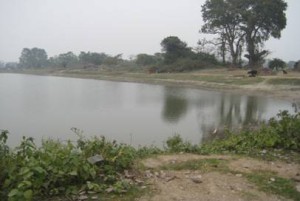
Khu được cho là nền nhà của Bồ Tát Duy Ma Cật Ảnh: Tâm Bửu
Trên đoạn đường đi đến nhà Ambapālī, chúng tôi dừng lại khu vực được cho là nền nhà của cư sĩ Bồ Tát Duy Ma thuở xưa, nhân vật được xem như là lý tưởng nhất, là danh xưng của một bộ kinh đặc trưng trong văn học Phật Giáo Đại Thừa, đó là Duy Ma Cật Sở Thuyết Kinh. Nhờ tính đa văn, biện tài xuất chúng làm cho các vị thánh đệ tử của Phật thán phục trí tuệ của ông.
Tìm kiếm nhanh
ID:115 Nền nhà của Bồ Tát Duy Ma
ID:115
Class:4
Section:A
General Information
Tên gọi |
: | Nền nhà của Bồ Tát Duy Ma |
|---|---|---|
| Academic Year | : | 2020 |
| Gender | : | Không xác định |
| Religion | : | Group |
| blood | : | B+ |
Other Information
Khu được cho là nền nhà của Bồ Tát Duy Ma Cật Ảnh: Tâm Bửu Trên đoạn đường đi đến nhà Ambapālī, chúng tôi dừng lại khu vực được cho là nền nhà của cư sĩ Bồ Tát Duy Ma thuở xưa, nhân vật được xem như là lý tưởng nhất, là danh xưng của một bộ kinh đặc trưng trong văn học Phật Giáo Đại Thừa, đó là Duy Ma Cật Sở Thuyết Kinh. Nhờ tính đa văn, biện tài xuất chúng làm cho các vị thánh đệ tử của Phật thán phục trí tuệ của ông.
Nền nhà của Bồ Tát Duy Ma
Nền nhà của Bồ Tát Duy Ma
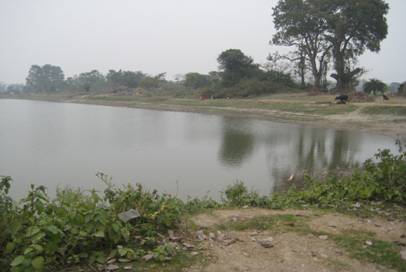
Khu được cho là nền nhà của Bồ Tát Duy Ma Cật Ảnh: Tâm Bửu
Trên đoạn đường đi đến nhà Ambapālī, chúng tôi dừng lại khu vực được cho là nền nhà của cư sĩ Bồ Tát Duy Ma thuở xưa, nhân vật được xem như là lý tưởng nhất, là danh xưng của một bộ kinh đặc trưng trong văn học Phật Giáo Đại Thừa, đó là Duy Ma Cật Sở Thuyết Kinh. Nhờ tính đa văn, biện tài xuất chúng làm cho các vị thánh đệ tử của Phật thán phục trí tuệ của ông. Mặc dù là nơi có ngôi nhà tên tuổi trong thành Tỳ Xá Ly năm nào, hiện nay chỉ là vùng đất hoang sơ, cỏ mọc um tùm, bao quanh một hồ nước mênh mông, với một vài cây cổ thụ nghiêng mình trên mặt hồ trong xanh yên ả. Không có một dấu vết gì để chúng ta hình dung và liên tưởng đến sự huyền bí của ngôi tịnh thất một trượng sáu vuông chứa ba ngàn toà sư tử. Nhìn cảnh vật vắng vẻ, buồn tênh, lòng bỗng nao nao khó tả, khi nghĩ về cuộc đời vô thường sanh diệt, nay cồn mai biển, bãi bể nương dâu, biết bao kiếp làm người trên trần thế này cũng không thấu hết nỗi buồn nhân thế. Chỉ có tuệ giác như đức Phật, chỉ có chứng ngộ, chúng ta mới hiểu thấu mọi vấn đề mà ngôn ngữ trần gian không thể nào diễn tả hết mọi sự biến thiên của vũ trụ. Xe đã rời khỏi nơi kỷ niệm ngàn xưa của Ngài Duy Ma, nhưng hình ảnh hoang sơ, yên ả của buổi xế chiều vừa chứng kiến cứ hiện mãi trong lòng kẻ lữ hành đang tìm lại những gì còn sót lại trên quê hương Phật giáo, đã bị tàn phá bởi thiên nhiên và cả lòng hiềm thù, hẹp hòi ích kỷ của con người.
.
NỀN NHÀ DUY MA CẬT (VIMALAKĪRTI) TẠI VAIŚĀLĪ
Địa điểm truyền thống được Huyền Trang ghi nhận tại Vaiśālī
ĐÍNH CHÍNH QUAN TRỌNG
Record hiện tại:
Nền nhà của Bồ Tát Duy Ma
có cơ sở trong:
TRUYỀN THỐNG ĐẠI THỪA + GHI CHÉP HÀNH HƯƠNG THẾ KỶ VII
nhưng tuyệt đối không được đặt tại:
KĀSI / VĀRĀṆASĪ.
Hai infographic trước đã gán sai địa lý.
Địa điểm đúng theo Kinh Duy Ma Cật:
VAIŚĀLĪ
Pāli của thành phố:
VESĀLĪ
Modern broad identification:
Vaishali/Basarh, Bihar, India.
1. TÊN RECORD
Tên đề nghị:
Nền nhà Duy Ma Cật (Vimalakīrti) tại Vaiśālī
hoặc chính xác hơn về tầng bằng chứng:
Di chỉ truyền thống nhà Duy Ma Cật (Vimalakīrti) tại Vaiśālī
Không nên chỉ:
Nền nhà của Bồ Tát Duy Ma
vì dễ khiến người đọc tưởng rằng:
archaeology đã xác nhận một nền nhà cụ thể.
2. SANSKRIT
Person:
Vimalakīrti
Sanskrit:
Vimalakīrti.
Vietnamese:
Duy Ma Cật.
Chinese:
維摩詰
Traditional Chinese renderings/transcriptions vary.
3. IMPORTANT: VIMALAKĪRTI IS A PERSON NAME
Do not create:
pali_name = Vimalakīrti
for the place.
Vimalakīrti:
PERSON.
The geographical entity is:
residence / traditional house-site associated with Vimalakīrti.
4. PĀLI ISSUE
There is no need to manufacture:
a canonical Pāli geographical name
for Vimalakīrti's house.
The principal scripture:
Vimalakīrti Nirdeśa
belongs to:
MAHĀYĀNA BUDDHIST LITERATURE.
It is not:
Pāli Nikāya.
It is not:
Theravāda Vinaya.
5. PLACE NAME
City in Sanskrit:
Vaiśālī
Pāli:
Vesālī
Vietnamese:
Tỳ-xá-ly / Tỳ-da-ly / Vaiśālī.
Modern:
Vaishali.
6. CORRECT HIERARCHY
Broad historical geography:
VAJJI / VṚJI LANDSCAPE
↓
VAIŚĀLĪ / VESĀLĪ
↓
TRADITIONAL SITE OF VIMALAKĪRTI'S HOUSE
The final level must be marked:
TRADITIONAL / PILGRIMAGE IDENTIFICATION.
7. NOT KĀSI
Delete:
ancient_region = Kāsi
Delete:
city = Vārāṇasī
Delete:
modern_city = Varanasi
Delete:
relation = Sarnath
from this record unless used only for comparative discussion.
8. SĀRNĀTH IS NOT THE PARENT
Sārnāth:
Isipatana / Migadāya
belongs to:
the Vārāṇasī/Kāsi Buddhist landscape.
It has:
no geographical parent relation
to Vimalakīrti's house in this scripture.
9. RĀJAGAHA IS ALSO NOT THE PARENT
Rājagaha:
separate city in Magadha.
Do not put:
Rājagaha
on a local map of Vimalakīrti's house unless it is only broad regional context.
MAHĀYĀNA TEXTUAL LAYER
10. PRIMARY SOURCE
Primary textual source:
Vimalakīrti Nirdeśa Sūtra
Sanskrit:
Vimalakīrtinirdeśa.
English:
The Teaching of Vimalakīrti / Vimalakīrti Nirdeśa Sūtra.
Vietnamese:
Kinh Duy Ma Cật.
11. TEXTUAL SETTING
The scripture explicitly places:
Vimalakīrti
in:
the great city of Vaiśālī.
Therefore:
VAIŚĀLĪ IS TEXTUALLY SECURE.
12. VIMALAKĪRTI'S SOCIAL IDENTITY
The scripture presents Vimalakīrti as:
a wealthy and highly accomplished householder.
He lives:
within society
while embodying:
advanced Mahāyāna bodhisattva practice.
13. HOUSEHOLDER
A crucial aspect of Vimalakīrti is:
he is not portrayed simply as a monk.
He represents:
an advanced lay bodhisattva / householder ideal.
14. FAMILY
The text portrays him as:
living the householder life
and speaks paradoxically of:
wife/family/domestic circumstances
while emphasizing:
non-attachment and purity.
This is part of:
Mahāyāna literary teaching.
15. WEALTH
The scripture depicts him as:
possessing great wealth.
He uses it:
skillfully for benefiting beings.
Do not turn this into:
archaeological evidence for a palace-sized residence.
16. “PALACE” ERROR
Do not reconstruct his house as:
royal palace.
Vimalakīrti is:
householder.
The text's miraculous descriptions:
are literary/religious.
They do not establish:
architectural dimensions.
17. SKILLFUL MEANS
Vimalakīrti is especially associated with:
upāyakauśalya
= skillful means.
His worldly participation:
functions as a means of teaching.
18. FEIGNED / MANIFESTED ILLNESS
A central narrative device:
Vimalakīrti manifests illness.
This provides:
the occasion for visitors and doctrinal dialogues.
19. DO NOT TREAT ILLNESS AS MEDICAL HISTORY
The illness:
has doctrinal/literary function.
Do not diagnose:
a historical disease.
20. BUDDHA HEARS OF THE ILLNESS
The Buddha:
seeks to send disciples/bodhisattvas to inquire after Vimalakīrti.
A succession of prominent disciples:
initially decline.
21. WHY THEY DECLINE
They recount:
earlier encounters with Vimalakīrti
in which his insight:
challenged or surpassed their understanding in particular doctrinal exchanges.
This is:
literary structure of the sūtra.
22. ŚĀRIPUTRA
Śāriputra:
appears prominently.
But:
do not invent that he lived at Vimalakīrti's house.
He is:
visitor/dialogue participant.
23. MAHĀMAUDGALYĀYANA
Mahāmaudgalyāyana:
appears among major disciples in the narrative framework.
Again:
person relation
not:
house resident.
24. MAHĀKĀŚYAPA
Mahākāśyapa:
another important disciple appearing in remembered encounters.
25. SUBHŪTI
Subhūti:
also appears.
The sequence develops:
Mahāyāna critiques/reinterpretations of conventional understanding.
26. ĀNANDA
Ānanda:
appears in the scripture.
Do not confuse:
this literary Mahāyāna narrative
with:
Pāli canonical Vesālī episodes involving Ānanda.
27. MAÑJUŚRĪ
Eventually:
Mañjuśrī
accepts the task of visiting:
Vimalakīrti.
This becomes one of:
the central encounters of the sūtra.
28. MAÑJUŚRĪ–VIMALAKĪRTI DIALOGUE
The meeting:
is a major doctrinal centerpiece.
Topics include:
-
emptiness;
-
nonduality;
-
bodhisattva conduct;
-
liberation;
-
skillful means;
-
nature of illness;
-
buddhafields.
29. NONDUALITY
One of the most famous portions concerns:
entry into the Dharma-door of nonduality.
Various bodhisattvas:
give explanations.
Mañjuśrī:
gives a sophisticated response.
Vimalakīrti:
responds with silence.
30. “THUNDEROUS SILENCE”
Later Buddhist interpretation famously celebrates:
Vimalakīrti's silence
as an expression of:
nonduality beyond conceptual speech.
Do not invent:
an archaeological “Hall of Silence”.
31. MIRACULOUS HOUSE
The sūtra describes:
extraordinary transformations associated with Vimalakīrti's residence.
For example:
the apparently limited room accommodates a vast assembly.
This is:
RELIGIOUS / LITERARY MIRACLE.
Not:
architectural measurement.
32. EMPTY ROOM
The narrative emphasizes:
the room being emptied of furniture/seats
before the great assembly.
This has:
symbolic and narrative functions.
Do not reconstruct:
exact floor plan.
33. LION THRONES
The miraculous appearance of:
enormous lion thrones
belongs to:
the sūtra's visionary narrative.
It does not prove:
archaeological furniture.
34. SUMERU-SIZED SCALE
The extraordinary spatial imagery:
deliberately transcends ordinary architecture.
Therefore:
any attempt to calculate house dimensions is meaningless.
35. HOUSE AS DOCTRINAL SPACE
The house functions as:
a literary/doctrinal stage.
It is simultaneously:
-
residence;
-
sickroom;
-
teaching space;
-
miraculous buddhafield-like space.
This distinction is essential.
36. DO NOT MAKE IT A MONASTERY
Vimalakīrti's house:
is not a vihāra.
Not:
monastery.
Not:
ārāma.
Not:
Buddhist temple.
37. DO NOT MAKE IT A STŪPA IN THE SŪTRA
The residence in the sūtra:
is a house/residence.
A later pilgrimage stūpa marking its supposed location:
belongs to a later historical layer.
CANONICAL / NIKĀYA LAYER
38. NOT FOUND IN THE PĀLI NIKĀYAS AS THIS SITE
There is:
no equivalent canonical Nikāya geographical record
called:
Vimalakīrti's House.
Therefore:
nikaya_attestation = no / not established.
39. VINAYA
Likewise:
this specific Vimalakīrti residence is not a Theravāda Vinaya site.
Therefore:
theravada_vinaya_attestation = no.
40. THIS DOES NOT MAKE IT “FAKE”
Correct classification:
MAHĀYĀNA SCRIPTURAL GEOGRAPHY.
Not:
NIKĀYA GEOGRAPHY.
The database should preserve both traditions:
with source-layer labels.
41. VAIŚĀLĪ ITSELF IS DIFFERENT
Important:
Vaiśālī/Vesālī itself is strongly canonical in Nikāya and Vinaya.
But:
Vimalakīrti's house association comes from Mahāyāna literature and later pilgrimage tradition.
Thus:
CITY
canonical across traditions.
HOUSE
Mahāyāna + later pilgrimage tradition.
XUANZANG / HUYỀN TRANG
42. CRITICAL HISTORICAL EVIDENCE
The most important evidence beyond the sūtra is:
Xuanzang / Huyền Trang
7th century CE.
He visited:
Vaiśālī.
43. XUANZANG RECORDS A VIMALAKĪRTI SITE
Xuanzang records:
a stūpa marking the old site/foundation of Vimalakīrti's residence.
This is highly significant.
It proves that:
by the seventh century
a physical pilgrimage tradition at Vaiśālī:
identified a location as Vimalakīrti's former house.
44. WHAT IT DOES NOT PROVE
Xuanzang's report does NOT prove:
the monument actually preserved Vimalakīrti's historical house.
It proves:
seventh-century pilgrimage identification.
This distinction is essential.
45. RELATIVE LOCATION
Xuanzang describes the Vimalakīrti house-site as:
approximately 3–4 li northeast of a saṅghārāma in his Vaiśālī itinerary.
This provides:
relative pilgrimage geography.
But:
it is not automatically convertible to modern GPS.
46. DO NOT CONVERT LI DIRECTLY INTO GPS
Ancient/medieval itinerary measurements:
are approximate.
The reference monastery itself must be:
securely identified
before deriving a candidate area.
Therefore:
no exact coordinate.
47. STŪPA
Xuanzang says:
a stūpa marked the old site of the residence.
Thus by his period:
HOUSE SITE → MEMORIAL STŪPA.
Do not reverse this:
the original house itself was not necessarily a stūpa.
48. “SPIRIT-DWELLING” / STONE PILE
Xuanzang then describes nearby:
another structure/place
translated in older scholarship as:
a spirit-dwelling / shrine-like structure
with appearance compared to:
piled bricks/stones.
Tradition associated it with:
Vimalakīrti teaching while manifesting illness.
49. KEEP THESE TWO LOCI SEPARATE
This is extremely important.
Xuanzang appears to distinguish:
SITE A
stūpa marking:
old house/residence of Vimalakīrti.
SITE B
nearby traditional structure/place associated with:
Vimalakīrti preaching while sick.
Do NOT merge them automatically.
50. CURRENT RECORD “NỀN NHÀ”
The record should correspond primarily to:
SITE A.
The nearby teaching/sickness locus:
may deserve a separate relation or child record
if the database wants Xuanzang micro-sites.
51. RATNĀKARA
Xuanzang reports nearby:
another stūpa
marking the residence of:
Ratnākara.
This belongs to:
the same later pilgrimage landscape.
Keep separate.
52. ĀMRA LADY / AMRAPĀLĪ-RELATED LOCUS
Xuanzang also records:
another nearby residence/stūpa tradition associated with the “mango lady”.
Again:
separate micro-site.
Do not merge into:
Vimalakīrti's house.
53. PILGRIMAGE CLUSTER
Thus seventh-century Vaiśālī had:
a dense Buddhist memory landscape
in which monuments commemorated:
-
canonical Buddha events;
-
Mahāyāna literary figures;
-
local Buddhist traditions.
This is extremely valuable for:
historical reception geography.
54. XUANZANG ≠ CONTEMPORARY WITNESS
Xuanzang lived:
many centuries after the period traditionally assigned to Buddha.
Therefore he is:
witness to 7th-century pilgrimage tradition,
not:
eyewitness to Vimalakīrti.
55. FA-HSIEN / FAXIAN CAUTION
Earlier Chinese pilgrim Faxian:
does not provide the same clear Vimalakīrti-house identification in the commonly cited Vaiśālī itinerary.
This is significant.
It suggests caution regarding:
when/how the physical identification developed.
56. DO NOT SAY “CONTINUOUSLY KNOWN SINCE BUDDHA”
There is no basis to say:
the exact foundation was continuously known from Buddha's lifetime to Xuanzang.
Use:
“By Xuanzang's seventh-century visit, a local pilgrimage tradition identified a site as Vimalakīrti's former residence.”
57. WANG XUANCE / LATER PILGRIMAGE TRADITION
Other Chinese travel traditions also contribute to:
memory of Vimalakīrti at Vaiśālī.
But each:
must be source-checked separately.
Do not merge all Chinese pilgrims into:
one testimony.
MODERN RESEARCH / ARCHAEOLOGY
58. VAIŚĀLĪ IDENTIFICATION
Ancient Vaiśālī:
is broadly identified with the archaeological landscape around Basarh/Vaishali in Bihar.
Confidence:
HIGH / VERY HIGH at city-landscape level.
59. ARCHAEOLOGY AT VAISHALI
Modern excavations at Vaishali/Basarh have documented:
substantial ancient occupation and fortification sequences.
This supports:
ancient urban Vaiśālī.
It does NOT automatically identify:
Vimalakīrti's house.
60. RAJA VISAL KA GARH
Raja Vishal ka Garh:
major archaeological enclosure at Vaishali.
Do NOT identify it as:
Vimalakīrti's house.
It has:
its own archaeological interpretation.
61. KOLHUA
Kolhua:
important Buddhist archaeological landscape near Vaishali.
Includes:
-
Aśokan pillar;
-
stūpas;
-
monastic remains;
-
monkey-tank tradition.
Do NOT automatically identify:
a particular Kolhua ruin as Vimalakīrti's house.
62. AŚOKA PILLAR
The Aśokan lion pillar:
is a real monument.
It does not say:
“Vimalakīrti lived here.”
Do not use it:
as proof of the house.
63. NO VIMALAKĪRTI INSCRIPTION
No secure archaeological inscription has been established here that says:
“House of Vimalakīrti.”
Therefore:
exact archaeological identification remains uncertain.
64. NO FOUNDATION INSCRIPTION
Do not claim:
a foundation stone names Vimalakīrti.
No such secure evidence:
established.
65. NO HOUSE PLAN
Do not draw:
exact floor plan.
The scripture's room:
is literary.
Xuanzang's monument:
is centuries later.
Modern archaeology:
has not securely reconstructed Vimalakīrti's residence.
66. NO ORIGINAL WALLS CLAIM
Do not point at:
an exposed brick wall
and say:
“original wall of Vimalakīrti's house.”
Unless an archaeological report demonstrates it:
not allowed.
67. NO ORIGINAL FLOOR CLAIM
Same:
no “original floor”.
68. NO ORIGINAL DOOR CLAIM
Same:
no “door where Mañjuśrī entered.”
69. NO ORIGINAL SICKBED
Obviously:
no archaeological sickbed.
70. NO MIRACLE ARCHAEOLOGY
The miraculous spatial expansion:
cannot be archaeologically tested.
Keep it:
scripture/doctrine.
HISTORICITY OF VIMALAKĪRTI
71. IMPORTANT SCHOLARLY CAUTION
Modern scholarship does not have:
independent historical evidence securely establishing Vimalakīrti as a historical individual contemporary with Buddha.
The figure is primarily known through:
Mahāyāna literature.
72. TRADITIONAL VIEW
Buddhist tradition treats:
Vimalakīrti
as:
a great lay bodhisattva.
Database should respect this:
as TRADITIONAL / SCRIPTURAL identity.
73. MODERN HISTORICAL VIEW
Modern critical scholarship often treats Vimalakīrti primarily as:
a literary/religious figure.
Therefore:
historicity = uncertain / not independently established.
74. DO NOT WRITE “VIMALAKĪRTI NEVER EXISTED”
That goes beyond evidence.
Better:
“His independent historicity has not been established.”
75. DO NOT WRITE “HISTORICAL PERSON CERTAIN”
Also too strong.
Use:
SCRIPTURAL FIGURE / TRADITIONAL BODHISATTVA.
76. HOUSE HISTORICITY
If person historicity is uncertain:
exact house historicity is necessarily even more uncertain.
But:
the seventh-century pilgrimage site is historically attested as a tradition.
This is a crucial distinction.
THREE DIFFERENT REALITIES
77. LAYER A — SCRIPTURAL
The Vimalakīrti Nirdeśa:
places Vimalakīrti's residence in Vaiśālī.
Confidence:
VERY HIGH as textual fact.
78. LAYER B — PILGRIMAGE HISTORY
Xuanzang:
records a monument/site identified as Vimalakīrti's former house.
Confidence:
VERY HIGH as seventh-century testimony.
79. LAYER C — ARCHAEOLOGICAL IDENTITY
Whether any surviving modern ruin:
is that exact house.
Confidence:
UNRESOLVED.
These three layers:
must never be collapsed.
GPS POLICY
80. CITY GPS
Coordinates for:
modern Vaishali/Basarh archaeological region
may be stored as:
broad_modern_region.
81. HOUSE GPS
For:
exact Vimalakīrti house:
GPS = null.
82. TRADITIONAL CANDIDATE
If modern scholarship or archaeological survey identifies:
a specific candidate based on Xuanzang's itinerary,
it may be stored as:
traditional/proposed candidate.
Not:
exact canonical GPS.
83. DO NOT COPY VAISHALI GPS
Do not take:
Vaishali tourism coordinates
and put them into:
Vimalakīrti House exact GPS.
84. DO NOT COPY KOLHUA PILLAR GPS
The pillar:
separate monument.
85. DO NOT COPY RAJA VISHAL KA GARH GPS
Separate archaeological entity.
86. DO NOT COPY RELIC STŪPA GPS
Separate monument.
87. DO NOT COPY KŪṬĀGĀRASĀLĀ GPS
Separate textual site.
88. DO NOT COPY ĀMRAPĀLĪ GROVE GPS
Separate site.
89. MAP
Best map:
schematic Vaiśālī landscape.
Show:
-
Vaiśālī/Basarh archaeological zone;
-
Kolhua/Aśoka pillar as known modern landmark;
-
broad Xuanzang relative description;
-
Vimalakīrti house =
?.
Caption:
“Sơ đồ nghiên cứu – vị trí chính xác của nhà Duy Ma Cật chưa được xác định.”
90. NO PRECISE RED PIN
Do not put:
exact red GPS pin
on Vimalakīrti's house.
Use:
question mark / uncertain zone.
91. NO NORTH ARROW + SCALE FOR FAKE PRECISION
If exact location unresolved:
avoid precise-looking archaeological map.
Use:
relationship diagram.
92. CORRECT RELATIONSHIP DIAGRAM
VAJJI / VṚJI
↓
VAIŚĀLĪ
↓
[Vimalakīrti's residence – Vimalakīrti Nirdeśa]
↓
[7th-c. traditional house-site – Xuanzang]
↓
[modern exact archaeological identification: unresolved]
This is much better than:
fake map pin.
IMAGE POLICY
93. MAIN IMAGE
Best image:
literary reconstruction of Vimalakīrti's residence.
Caption:
“MINH HỌA THEO KINH DUY MA CẬT – không phải phục dựng khảo cổ.”
94. DO NOT LABEL AI AS REAL
Never:
“ảnh thực tế nhà Duy Ma Cật.”
95. MODERN PHOTO
Actual modern photo can show:
Vaishali archaeological landscape.
Caption:
“Cảnh quan khảo cổ Vaiśālī hiện nay – không xác định là nhà Duy Ma Cật.”
96. XUANZANG PANEL
Use:
manuscript/pilgrim icon or schematic.
Text:
“Huyền Trang, thế kỷ VII, ghi nhận tại Vaiśālī một stūpa đánh dấu địa điểm truyền thống được xem là nền nhà cũ của Vimalakīrti.”
97. DO NOT SHOW XUANZANG MEETING VIMALAKĪRTI
They belong to:
different historical/literary periods.
Xuanzang visits:
the remembered site.
Not:
Vimalakīrti himself.
98. DO NOT SHOW BUDDHA VISITING HOUSE WITHOUT QUALIFICATION
The Vimalakīrti Nirdeśa's dramatic sequence primarily sends:
disciples and bodhisattvas.
The Buddha remains:
central to the overall narrative.
Do not casually depict:
a historical Buddha sitting physically in the house
unless the specific episode/source being illustrated supports it.
99. MAÑJUŚRĪ IS THE SAFEST CENTRAL VISITOR
For the house scene:
Vimalakīrti + Mañjuśrī + great assembly
is much more textually representative.
Caption:
MAHĀYĀNA SCRIPTURAL ILLUSTRATION.
100. CORE DATABASE PRINCIPLE
The database must preserve:
Vaiśālī as real ancient geography
while distinguishing:
Vimalakīrti's house as Mahāyāna scriptural geography
and:
Xuanzang's house-site as seventh-century pilgrimage geography
from:
modern archaeology.
DATABASE STRUCTURE ĐỀ NGHỊ
canonical_name = null
traditional_name = Vimalakīrti's House
name_vi = Nền nhà Duy Ma Cật
display_name = Di chỉ truyền thống nhà Duy Ma Cật (Vimalakīrti) tại Vaiśālī
entity_type = traditional literary/pilgrimage site
person = Vimalakīrti
person_sanskrit = Vimalakīrti
person_vietnamese = Duy Ma Cật
person_type = Mahāyāna scriptural bodhisattva / householder
person_historicity = not independently established
city_sanskrit = Vaiśālī
city_pali = Vesālī
ancient_political_context = Vajji / Vṛji
modern_region = Vaishali/Basarh archaeological landscape
modern_state = Bihar
modern_country = India
primary_scriptural_source = Vimalakīrti Nirdeśa Sūtra
source_tradition = Mahāyāna
nikaya_attestation = no
theravada_vinaya_attestation = no
scriptural_house_location = Vaiśālī
scriptural_location_confidence = very high
Xuanzang_attestation = yes
Xuanzang_date = 7th century CE
Xuanzang_site_type = stūpa marking traditional old residence
Xuanzang_relative_location = 3–4 li northeast of referenced saṅghārāma
Xuanzang_tradition_confidence = very high
modern_archaeological_identification = unresolved
Vimalakirti_inscription = none securely established
original_house_foundation_verified = no
exact_house_GPS = null
broad_Vaishali_coordinates = allowed only as regional reference
archaeological_claim_level = traditional/proposed identification only
TÊN RECORD ĐỀ NGHỊ
Tốt nhất:
Di chỉ truyền thống nhà Duy Ma Cật (Vimalakīrti) tại Vaiśālī
Tên ngắn:
Nền nhà Duy Ma Cật (Vimalakīrti) – Vaiśālī
Giữ:
“Nền nhà của Bồ Tát Duy Ma”
làm:
alias / SEO title
nếu cần.
MÔ TẢ NGẮN ĐỀ NGHỊ
Kinh Vimalakīrti Nirdeśa (Kinh Duy Ma Cật), một tác phẩm Đại thừa, đặt cư sĩ–Bồ Tát Vimalakīrti (Duy Ma Cật) tại đại thành Vaiśālī, Pāli Vesālī, thuộc cảnh quan Vajji/Vṛji. Ngôi nhà của ông là bối cảnh trung tâm của nhiều phần trong kinh: Vimalakīrti thị hiện bệnh, Đức Phật đề nghị các đệ tử và Bồ Tát đến thăm, cuối cùng Mañjuśrī đến gặp ông và những cuộc đối thoại nổi tiếng về bệnh, tính Không, phương tiện thiện xảo và pháp môn bất nhị diễn ra trong không gian ngôi nhà. Đây trước hết là địa lý văn học–tôn giáo của Đại thừa, không phải một địa danh được xác nhận trong Nikāya hay Theravāda Vinaya. Tuy nhiên, truyền thống địa lý về ngôi nhà đã tồn tại rõ ràng ít nhất vào thế kỷ VII: Huyền Trang, khi thăm Vaiśālī, ghi nhận một stūpa được xem là đánh dấu nền cũ của nhà Vimalakīrti, khoảng 3–4 li về phía đông bắc một saṅghārāma trong hành trình của ông; gần đó ông còn ghi một địa điểm truyền thống liên hệ với việc Vimalakīrti thị hiện bệnh và thuyết pháp. Ghi chép này là bằng chứng rất quan trọng cho lịch sử hành hương và ký ức Phật giáo tại Vaiśālī, nhưng không chứng minh rằng một phế tích hiện đại cụ thể chính là nhà lịch sử của Vimalakīrti. Khảo cổ học xác nhận Vaiśālī/Basarh là một đô thị cổ quan trọng, song hiện chưa có minh văn hay bằng chứng khảo cổ chắc chắn xác định nền nhà Duy Ma Cật. Vì vậy record nên được phân loại là địa điểm văn học Đại thừa và di chỉ truyền thống được Huyền Trang ghi nhận; GPS chính xác của ngôi nhà không nên gán.
DỮ LIỆU ĐỀ NGHỊ
CANONICAL / NIKĀYA
Vesālī:
RẤT CAO.
Vimalakīrti House:
KHÔNG ĐƯỢC CHỨNG THỰC TRONG PĀLI NIKĀYA.
VINAYA
Vesālī:
RẤT CAO.
Vimalakīrti House:
KHÔNG PHẢI THERAVĀDA VINAYA SITE.
MAHĀYĀNA SCRIPTURE
Vimalakīrti:
RẤT CAO AS SCRIPTURAL FIGURE.
Residence:
VAIŚĀLĪ.
Confidence:
RẤT CAO AS TEXTUAL GEOGRAPHY.
Primary source:
VIMALAKĪRTI NIRDEŚA.
PILGRIMAGE / XUANZANG
7th-century identification:
RẤT CAO.
Xuanzang saw/reported:
a stūpa marking the traditional old house-site.
This establishes:
historical pilgrimage tradition.
It does NOT establish:
original house archaeology.
MODERN RESEARCH / ARCHAEOLOGY
Vaiśālī/Basarh:
HIGH / VERY HIGH broad identification.
Exact Vimalakīrti house:
UNRESOLVED.
Inscription naming Vimalakīrti:
NONE SECURELY ESTABLISHED.
Exact GPS:
DO NOT ASSIGN.
MỨC ĐỘ CHẮC CHẮN
RẤT CAO
The Vimalakīrti Nirdeśa places Vimalakīrti at Vaiśālī.
RẤT CAO
His residence is a major setting of the sūtra.
RẤT CAO
Mañjuśrī visits Vimalakīrti in the narrative.
RẤT CAO
Nonduality and other major teachings are associated with the house narrative.
RẤT CAO
Xuanzang records a traditional Vimalakīrti house-site at Vaiśālī.
RẤT CAO
By the seventh century a pilgrimage monument marked that tradition.
CAO / RẤT CAO
Ancient Vaiśālī corresponds broadly with the Vaishali/Basarh archaeological landscape.
CHƯA XÁC ĐỊNH
Vimalakīrti as independently verified historical individual.
CHƯA XÁC ĐỊNH
Any surviving ruin as his actual house.
CHƯA XÁC ĐỊNH
Exact original house coordinates.
SAI
Vārāṇasī/Kāsi as Vimalakīrti's city in this record.
NHỮNG ĐIỀU CẦN TRÁNH
-
Không đặt nhà Duy Ma Cật tại Vārāṇasī.
-
Không đặt tại Kāsi.
-
Địa điểm kinh = Vaiśālī.
-
Pāli city name = Vesālī.
-
Không đặt Sārnāth làm parent.
-
Không đặt Isipatana làm parent.
-
Không đặt Migadāya làm parent.
-
Không đặt Rājagaha làm parent.
-
Không dùng Kāsi map.
-
Không dùng Vārāṇasī ghats làm ảnh đại diện.
-
Không dùng Dhamekh Stūpa.
-
Không dùng Sārnāth ruins.
-
Những hình đó thuộc địa lý khác.
-
Vimalakīrti là person.
-
Không gọi Vimalakīrti Pāli place-name.
-
Không invent Pāli name for house.
-
Không gọi house Nikāya site.
-
Không gọi house Theravāda Vinaya site.
-
Primary textual layer = Mahāyāna.
-
Primary scripture = Vimalakīrti Nirdeśa.
-
Không trộn Mahāyāna source thành Pāli Canon.
-
Không nói Nikāya kể chuyện Vimalakīrti.
-
Không nói Vinaya kể chuyện house.
-
Vesālī itself is canonical; house association is different layer.
-
Không merge city evidence with house evidence.
-
Không gọi Vimalakīrti chắc chắn historical.
-
Historicity independently unresolved.
-
Không gọi ông fictional as settled absolute fact.
-
Better: historicity not independently established.
-
Không call house archaeology certain.
-
Không say excavation found Vimalakīrti house.
-
Không say inscription names Vimalakīrti.
-
Không invent inscription.
-
Không invent foundation stone.
-
Không invent original walls.
-
Không invent original floor.
-
Không invent original door.
-
Không invent sickbed.
-
Không invent Mañjuśrī's seat.
-
Không invent lion throne archaeology.
-
Lion thrones are miraculous literary narrative.
-
Không calculate room dimensions.
-
Miraculous capacity is doctrinal/literary.
-
Không call house monastery.
-
Không call it vihāra.
-
Không call it ārāma.
-
Không call it temple.
-
It is residence/house in the scripture.
-
Later memorial stūpa ≠ original house.
-
Xuanzang saw/reported later pilgrimage marker.
-
Xuanzang ≠ eyewitness to Vimalakīrti.
-
Seventh century ≠ Buddha period.
-
Không say site continuously known since Buddha.
-
Use “by Xuanzang's time”.
-
Không merge Xuanzang's two nearby loci.
-
House-site stūpa = one locus.
-
Sick/preaching traditional structure = another locus.
-
Keep Ratnākara site separate.
-
Keep Āmra-lady site separate.
-
Keep Aśoka pillar separate.
-
Keep monkey tank separate.
-
Keep Kūṭāgārasālā separate.
-
Keep Mahāvana separate.
-
Keep Āmrapālī grove separate.
-
Keep relic stūpa separate.
-
Do not merge all Vaiśālī monuments.
-
Không convert 3–4 li into exact GPS.
-
Ancient distance approximate.
-
Reference point identification also matters.
-
Exact GPS = null.
-
Broad Vaiśālī location may be stored.
-
Label broad coordinates as regional.
-
Không copy Kolhua GPS.
-
Không copy Aśoka pillar GPS.
-
Không copy Basarh centre GPS as house.
-
Không copy Raja Vishal ka Garh GPS.
-
Không copy relic stūpa GPS.
-
Không put exact red pin.
-
Use
?. -
Map = schematic.
-
Avoid fake precision.
-
No scale bar implying exact location.
-
No archaeological route line.
-
No invented city street.
-
No invented neighborhood.
-
No invented ancient mansion plan.
-
AI reconstruction = MINH HỌA.
-
Never label AI “ảnh thực tế”.
-
Modern Vaishali photo can be real.
-
Caption must say it does not identify exact house.
-
Best narrative image = Vimalakīrti + Mañjuśrī.
-
Do not automatically show Buddha sitting inside the house.
-
Follow specific scripture episode.
-
Do not use Vārāṇasī architecture as reconstruction.
-
Do not use medieval ghats.
-
Do not use modern Hindu temple skyline as ancient Vaiśālī.
-
Distinguish SCRIPTURAL from PILGRIMAGE.
-
Distinguish PILGRIMAGE from ARCHAEOLOGY.
-
Distinguish ARCHAEOLOGY from MODERN TOURISM.
-
Quan trọng nhất: “Nền nhà Duy Ma Cật” phải chuyển từ Vārāṇasī/Kāsi sang Vaiśālī; kinh xác nhận Vaiśālī là bối cảnh, Huyền Trang xác nhận rằng vào thế kỷ VII tồn tại một địa điểm hành hương được xem là nền nhà cũ của Vimalakīrti, nhưng hiện chưa có đủ bằng chứng khảo cổ để gán một phế tích hoặc GPS cụ thể là chính ngôi nhà đó.
KẾT LUẬN DATABASE
Current geographic assignment:
VĀRĀṆASĪ / KĀSI = SAI
Correct scriptural city:
VAIŚĀLĪ
Pāli city:
VESĀLĪ
Political landscape:
VAJJI / VṚJI
Modern broad region:
VAISHALI / BASARH, BIHAR, INDIA
Entity:
VIMALAKĪRTI'S HOUSE / TRADITIONAL HOUSE-SITE
Primary source layer:
MAHĀYĀNA
Primary scripture:
VIMALAKĪRTI NIRDEŚA SŪTRA
Nikāya attestation for house:
NO
Theravāda Vinaya attestation for house:
NO
Xuanzang attestation:
YES
Xuanzang period:
7TH CENTURY CE
Pilgrimage-site existence by Xuanzang's time:
VERY HIGH
Exact original house archaeology:
UNRESOLVED
Exact GPS:
KHÔNG GÁN
Recommended record name:
DI CHỈ TRUYỀN THỐNG NHÀ DUY MA CẬT (VIMALAKĪRTI) TẠI VAIŚĀLĪ
Servers Status
Server Load 1
Server Load 2
Server Load 3
Live Statistics
File Transfers
Tasks in Progress
Urgent Notifications
All Hands Meeting
Yet another one, at 15:00 PM
Build the production release
NEW
Something not important


