

Nơi thành lập Ni đoàn Phật giáo (Vesali)
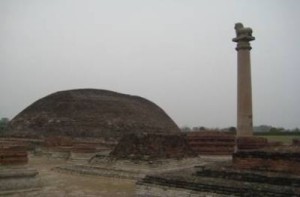
Trụ đá vua A Dục và tháp thờ Xá Lợi Phật, đánh dấu nơi thành lập Ni đoàn. Ảnh: Tâm Bửu
Đức Phật trở lại Tỳ Xá Ly nhiều lần sau đó, thường ngự tại tinh xá Trùng Cát. Nhiều bộ kinh được thuyết tại nơi này như Mahali, Mahasihanadas, Cula Saccaka Mahasaccaka...
Tìm kiếm nhanh
ID:111 Nơi thành lập Ni đoàn Phật giáo (Vesali)
ID:111
Class:4
Section:A
General Information
Tên gọi |
: | Nơi thành lập Ni đoàn Phật giáo (Vesali) |
|---|---|---|
| Academic Year | : | 2020 |
| Gender | : | Không xác định |
| Religion | : | Group |
| blood | : | B+ |
Other Information
Trụ đá vua A Dục và tháp thờ Xá Lợi Phật, đánh dấu nơi thành lập Ni đoàn. Ảnh: Tâm Bửu Đức Phật trở lại Tỳ Xá Ly nhiều lần sau đó, thường ngự tại tinh xá Trùng Cát. Nhiều bộ kinh được thuyết tại nơi này như Mahali, Mahasihanadas, Cula Saccaka Mahasaccaka...
Nơi thành lập Ni đoàn Phật giáo (Vesali)
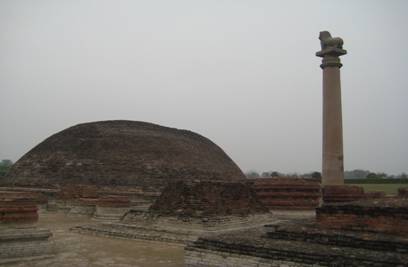
Trụ đá vua A Dục và tháp thờ Xá Lợi Phật, đánh dấu nơi thành lập Ni đoàn. Ảnh: Tâm Bửu
Đức Phật trở lại Tỳ Xá Ly nhiều lần sau đó, thường ngự tại tinh xá Trùng Cát. Nhiều bộ kinh được thuyết tại nơi này như Mahali, Mahasihanadas, Cula Saccaka Mahasaccaka... Cũng chính tại khu rừng Đại Lâm xứ Tỳ Xá Ly này, Ni đoàn Phật giáo chính thức được thành lập, nghĩa là đức Phật chấp thuận cho nữ giới xuất gia, đánh dấu một sự kiện lịch sử trọng đại, đó là nữ tu sĩ có vai trò trong đoàn thể Phật giáo, đề cao vai trò của nữ giới nơi Ấn Độ nói riêng hay tinh thần bình đẳng nam nữ trên khắp thế giới nói chung, là nét nhân văn cao đẹp, là việc làm duy nhất và chưa từng thấy trong lịch sử tôn giáo cũng như các trường phái tư tưởng được biết trước và ngay thời đức Phật. Bằng lời nói khẳng định của đức Từ Phụ: “Nếu phụ nữ tu hành tinh tấn cũng có thể chứng quả A La Hán”. Và cũng từ ý nghĩa quan trọng này, Đại Thừa đã phát triển lên đến đỉnh cao về mặt tư tưởng là Phật tánh bình đẳng hay tất cả chúng sanh đều có Phật tánh và sẽ thành Phật. Đây là giáo nghĩa thâm thuý và viên đốn trong văn học tư tưởng Đại thừa. Luật tạng ghi chép rằng, sau khi vua Tịnh Phạn (Suddhodana) băng hà, di mẫu Ma Ha Ba Xà Ba Đề (Mahāpajāpati Gotamī) cùng 500 thể nữ dòng họ Thích Ca (Sakyā) tự cạo tóc, thân đắp cà sa, đi chân đất từ thành Ca Tỳ La Vệ (Kapilavatthu) đến Tỳ Xá Ly (Vesāli), nơi đức Phật đang giáo hóa xin được xuất gia. Nhờ sự nhẫn nại thưa thỉnh thống thiết của A Nan cùng với quyết tâm cao độ của di mẫu và các thể nữ dòng họ Thích, được biểu hiện bằng những hành động cụ thể, đức Phật đã chấp thuận cho nữ lưu gia nhập Tăng đoàn, nhưng họ phải tuân thủ tám điều (bát kỉnh pháp) từ ngày xuất gia cho đến trọn đời. Tám điều ấy là:
1 Một Tỳ kheo ni, dầu có trăm tuổi hạ khi gặp thầy Tỳ kheo mới thọ giới Cụ túc cũng phải chào hỏi, đảnh lễ và thực hành tất cả những bổn phận thích nghi đối với vị Tỳ kheo.
2- Một Tỳ kheo ni không được khiển trách hay nặng lời đối với một vị Tỳ kheo trong bất kỳ trường hợp nào.
3- Tỳ kheo ni không được ngăn Tỳ kheo xét tội, thuyết giới, tự tứ hay nói lỗi của Tỳ kheo. Trái lại, Tỳ kheo được quyền cử tội Tỳ kheo ni.
4- Muốn thọ trì Cụ túc giới phải thông qua hai bộ Tăng: Tỳ kheo ni và Tỳ kheo
5- Nếu Tỳ kheo ni phạm tội hữu dư (Tăng tàn) thì phải đến trước hai bộ Tăng thực hành pháp Ý hỷ (Ma na đỏa) trong thời gian nửa tháng.
6- Nửa tháng phải đến bên Tỳ kheo tăng cần cầu dạy bảo.
7- Không được an cư kiết hạ ở địa phương nào không có Tỳ kheo ở.
8- Khi an cư xong, phải đến Tỳ kheo tăng cầu ba sự tự tứ: thấy, nghe và nghi.
Những điều lệ căn bản và thiết yếu này chính là cái nhìn tuệ giác của Phật, không phải vì ràng buộc mà nhằm bảo hộ cho ni đoàn sinh hoạt yên ổn và khiến nữ giới dễ diệt trừ bản ngã để đạt thánh vị mau chóng.
Từ các nền móng của các ngôi tự viện cũ tại Tỳ Xá Ly, người ta cũng xác định được đâu là ngôi tịnh xá mà xưa kia chư ni đã từng lưu trú tu tập.
.
KŪṬĀGĀRASĀLĀ TẠI MAHĀVANA, VESĀLĪ
Địa điểm gắn với việc Mahāpajāpatī Gotamī được chấp thuận cho xuất gia và sự hình thành Bhikkhunī Saṅgha
ĐÍNH CHÍNH QUAN TRỌNG
Record hiện tại:
“Nơi thành lập Ni đoàn Phật giáo (Vesali)”
không nên được mô hình hóa như:
một địa danh độc lập.
“Nơi thành lập Ni đoàn” là:
EVENT/FUNCTION LABEL
chứ không phải canonical place-name.
Địa điểm văn bản cần gắn sự kiện vào là:
VAJJI
↓
VESĀLĪ
↓
MAHĀVANA
↓
KŪṬĀGĀRASĀLĀ
Vì vậy database nên:
MERGE EVENT VÀO RECORD KŪṬĀGĀRASĀLĀ
hoặc tạo:
historical_event = Establishment / admission of Bhikkhunī Saṅgha
với:
place_id = Kūṭāgārasālā.
Không nên tạo thêm một place:
Nơi thành lập Ni đoàn.
1. CANONICAL GEOGRAPHY
Canonical city:
Vesālī
Sanskrit:
Vaiśālī
Vietnamese:
Tỳ-xá-ly / Tỳ-da-ly / Vesālī
Ancient political context:
Vajji / Vajjī
with the Licchavis strongly associated with Vesālī.
2. MICRO-SITE
The relevant micro-site is:
Kūṭāgārasālā
Common English:
Gabled Hall
Vietnamese:
Trùng Các Giảng đường
or:
giảng đường Kūṭāgārasālā.
3. PARENT SITE
Kūṭāgārasālā belongs within:
Mahāvana
= Great Wood / Đại Lâm.
Correct hierarchy:
VAJJI
↓
VESĀLĪ
↓
MAHĀVANA
↓
KŪṬĀGĀRASĀLĀ
This hierarchy is much more precise than:
“Vesālī – nơi thành lập Ni đoàn”.
4. MAHĀVANA
Pāli:
Mahāvana
mahā
= great.
vana
= wood / forest / grove.
Therefore:
Great Wood.
Mahāvana itself:
is not identical with Kūṭāgārasālā.
Kūṭāgārasālā:
is a structure/locality within the Mahāvana setting.
5. DO NOT MERGE
Keep separate:
Vesālī
Mahāvana
Kūṭāgārasālā.
Relationship:
Vesālī → Mahāvana → Kūṭāgārasālā.
6. RECORD TYPE PROBLEM
Current record mixes:
EVENT
with:
PLACE.
Correct database design should distinguish:
PLACE
Kūṭāgārasālā.
EVENT
Admission of Mahāpajāpatī Gotamī / emergence of Bhikkhunī Saṅgha.
PERSON
Mahāpajāpatī Gotamī.
INTERMEDIARY
Ānanda.
INSTITUTION
Bhikkhunī Saṅgha.
VINAYA — PRIMARY SOURCE LAYER
7. PRIMARY TEXTUAL CONTEXT
The principal source for this event is:
Vinaya Piṭaka – Cullavagga X
traditionally called:
Bhikkhunikkhandhaka
the section concerning:
the community/order of bhikkhunīs.
This is the primary source layer.
8. FIRST REQUEST WAS NOT AT VESĀLĪ
This is one of the most important corrections.
Mahāpajāpatī Gotamī's first request:
did NOT occur at Vesālī.
It occurred while Buddha was:
among the Sakyans at Kapilavatthu
in:
Nigrodhārāma.
Therefore the full narrative has:
TWO MAJOR GEOGRAPHICAL STAGES.
9. STAGE ONE
SAKYA
↓
KAPILAVATTHU
↓
NIGRODHĀRĀMA
At this stage:
Mahāpajāpatī Gotamī asks Buddha to allow women to go forth from the household life into homelessness under the Dhamma-Vinaya.
10. FIRST REQUEST
Mahāpajāpatī asks for:
women to receive pabbajjā / renunciation
in the teaching and discipline proclaimed by the Tathāgata.
Buddha:
does not consent at this stage.
11. REPEATED REQUEST
The Vinaya narrative presents:
Mahāpajāpatī repeating the request.
Buddha:
repeatedly declines.
Do not simplify this into:
“Ānanda asked three times at Vesālī and Buddha agreed.”
There are:
distinct phases.
12. BUDDHA LEAVES KAPILAVATTHU
Buddha later travels:
toward Vesālī.
The narrative relocates to:
Mahāvana / Kūṭāgārasālā.
13. MAHĀPAJĀPATĪ FOLLOWS
Mahāpajāpatī:
cuts her hair
and:
puts on ochre robes.
She is accompanied by:
numerous Sakyan women.
Traditional number:
500.
14. “500 SAKYAN WOMEN”
The number:
500
belongs to the Vinaya/traditional narrative.
It is legitimate to report as:
textual number.
Do not treat:
500
as an archaeological headcount.
15. JOURNEY TO VESĀLĪ
Mahāpajāpatī and the Sakyan women:
travel to Vesālī.
This is a textual journey.
But:
exact ancient road is unknown.
16. NO PRECISE ROUTE MAP
Do not draw:
GPS road Kapilavatthu → Vesālī.
At most:
schematic textual sequence.
Label:
“Trình tự địa danh theo Vinaya – không phải tuyến đường khảo cổ chính xác.”
17. ARRIVAL AT KŪṬĀGĀRASĀLĀ
At Vesālī:
Buddha is staying in Mahāvana at Kūṭāgārasālā.
Mahāpajāpatī arrives:
outside/at the entrance area of the hall.
18. PHYSICAL CONDITION
The Vinaya narrative describes her:
-
feet swollen;
-
covered with dust;
-
sorrowful;
-
weeping.
This emphasizes:
the difficulty of the journey and seriousness of the request.
19. ĀNANDA FINDS HER
Venerable:
Ānanda
sees Mahāpajāpatī in this condition.
He asks:
why she is standing there distressed.
20. MAHĀPAJĀPATĪ EXPLAINS
She explains:
Buddha has not permitted women to go forth from home into homelessness under the Dhamma-Vinaya.
This prompts:
Ānanda's intervention.
21. ĀNANDA APPROACHES BUDDHA
Ānanda:
approaches Buddha
and advocates:
Mahāpajāpatī's request.
This conversation occurs in:
the Vesālī / Mahāvana / Kūṭāgārasālā context.
22. INITIAL REQUEST THROUGH ĀNANDA
Ānanda first asks directly:
that women be permitted to go forth.
Buddha:
does not initially consent.
23. ĀNANDA CHANGES THE QUESTION
Ānanda then asks a crucial doctrinal question:
Are women capable, after going forth in this Dhamma-Vinaya, of realizing the stages of liberation?
This is central to the narrative.
24. WOMEN'S CAPACITY FOR AWAKENING
Buddha answers:
yes.
Women are capable of attaining:
-
stream-entry;
-
once-returning;
-
non-returning;
-
arahantship.
This is one of the most important doctrinal elements of the episode.
25. DO NOT OMIT THIS
The event should not be reduced merely to:
administrative permission.
It contains an explicit canonical/Vinaya statement that:
women are capable of the same four stages of liberation described in this context.
26. ĀNANDA'S SECOND ARGUMENT
Ānanda then recalls:
Mahāpajāpatī's relationship to Buddha.
She was:
-
Buddha's maternal aunt;
-
foster mother;
-
caregiver after Māyā's death;
-
one who suckled/nurtured him.
This becomes part of Ānanda's appeal.
27. MAHĀPAJĀPATĪ'S IDENTITY
Pāli:
Mahāpajāpatī Gotamī
Sanskrit:
Mahāprajāpatī Gautamī
Vietnamese:
Ma-ha Ba-xà-ba-đề Kiều-đàm-di
or commonly:
Mahāpajāpatī Gotamī.
For database:
retain Pāli as canonical name.
28. RELATION TO MĀYĀ
Mahāpajāpatī:
sister of Māyā
and:
Buddha's maternal aunt.
After Māyā's death:
she raised the infant Siddhattha.
29. GARUDHAMMAS
The Vinaya narrative then introduces:
eight garudhammas
often translated:
eight weighty principles/rules.
This is the condition connected in the text with:
Mahāpajāpatī's admission.
30. DO NOT CALL THEM “EIGHT COMMANDMENTS”
Better:
eight weighty principles/rules.
Pāli:
garudhamma.
31. ACCEPTANCE
Buddha says in the Vinaya narrative that:
if Mahāpajāpatī accepts the eight garudhammas, that acceptance constitutes her higher ordination.
This is a key point.
32. MAHĀPAJĀPATĪ ACCEPTS
Ānanda reports the conditions to:
Mahāpajāpatī.
She accepts them enthusiastically.
The text compares her acceptance to:
a young person joyfully accepting a garland/ornament.
Do not use quotation marks unless quoting the edition exactly.
33. HER ORDINATION
Within the Theravāda Vinaya narrative:
Mahāpajāpatī's acceptance of the eight garudhammas constitutes her upasampadā.
Thus she becomes:
the foundational figure of the Bhikkhunī Saṅgha.
34. OTHER SAKYAN WOMEN
The other Sakyan women:
also enter the female monastic community.
Their ordination procedure:
becomes part of subsequent Vinaya development.
35. “FIRST BHIKKHUNĪ”
Mahāpajāpatī Gotamī is traditionally regarded as:
the first bhikkhunī.
Database:
first_bhikkhuni = Mahāpajāpatī Gotamī
with:
source_layer = Theravāda Vinaya tradition.
36. “FOUNDING OF BHIKKHUNĪ SAṄGHA”
This phrase is a useful modern summary.
But the Vinaya itself narrates:
a process.
Therefore better database event title:
Admission of Mahāpajāpatī Gotamī and emergence of the Bhikkhunī Saṅgha
rather than imagining:
a single ceremonial foundation meeting.
37. NO “FOUNDING CEREMONY”
There is no need to reconstruct:
-
stage;
-
assembly podium;
-
ordination platform;
-
formal mass ceremony;
-
Buddha standing before 500 nuns.
The narrative is:
dialogue + acceptance + subsequent ordination process.
38. IMPORTANT VISUAL CORRECTION
The previous infographic shows:
Buddha seated in front of a large already-shaven female monastic assembly
as though this were a single foundation ceremony.
That is:
TOO SPECULATIVE.
A more faithful reconstruction:
Mahāpajāpatī, dusty and travel-worn, outside Kūṭāgārasālā; Ānanda speaking with her / subsequently speaking with Buddha.
39. DO NOT SHOW A FULLY ESTABLISHED NUN ORDER BEFORE PERMISSION
Chronologically:
the permission/admission is what is being negotiated.
Do not show:
a mature Bhikkhunī Saṅgha already assembled before the event.
40. CLOTHING
Vinaya says Mahāpajāpatī:
cut her hair and put on ochre robes before traveling.
Thus she may be illustrated:
in renunciant-style ochre robes.
But:
do not portray the whole later institutional uniform system as archaeologically known.
41. ĀNANDA'S ROLE
Ānanda:
mediator / advocate.
He should be one of the central persons in this record.
Not merely:
“assistant who repeated the request three times.”
His doctrinal question about:
women's capacity for awakening
is essential.
42. BUDDHA'S ROLE
Buddha:
initially refuses the request.
Later:
allows Mahāpajāpatī's admission under the conditions given in the Vinaya narrative.
Avoid rewriting this as:
Buddha immediately founded a women's monastery at Vesālī.
43. KAPILAVATTHU AND VESĀLĪ BOTH MATTER
This event cannot be accurately represented with:
Vesālī alone.
Narrative sequence:
KAPILAVATTHU / NIGRODHĀRĀMA
↓
journey
↓
VESĀLĪ / MAHĀVANA / KŪṬĀGĀRASĀLĀ.
44. DATABASE EVENT SHOULD HAVE MULTIPLE PLACE RELATIONS
Recommended:
initial_request_place = Nigrodhārāma, Kapilavatthu
final_admission_context = Kūṭāgārasālā, Mahāvana, Vesālī.
This preserves:
textual geography.
45. DO NOT CREATE ONE FAKE POINT CALLED “FOUNDING PLACE”
The process has:
more than one geographic stage.
If one primary event point is required:
Kūṭāgārasālā
is the best candidate for:
final acceptance/admission stage.
AN 8.53
46. MAHĀPAJĀPATĪ LATER AT VESĀLĪ
AN8.53 provides independent confirmation of the close association between:
Mahāpajāpatī Gotamī
and:
Vesālī → Mahāvana → Kūṭāgārasālā.
The opening places Buddha:
near Vesālī, in Mahāvana, at Kūṭāgārasālā.
Mahāpajāpatī approaches him there.
47. AN8.53 IS NOT THE FOUNDING NARRATIVE
Important:
AN8.53 is a later teaching to Mahāpajāpatī.
Do not use it as if:
it narrates the founding of the Bhikkhunī Saṅgha.
It is valuable because:
it independently confirms the site-person association.
48. TEACHING IN BRIEF
Mahāpajāpatī asks:
for a concise teaching enabling her to practice secluded, diligent and resolute.
Buddha gives:
criteria for recognizing Dhamma/Vinaya.
49. IMPORTANCE
This makes Kūṭāgārasālā important not only for:
the admission narrative
but also for:
later teachings involving Mahāpajāpatī.
HISTORICAL / TEXTUAL CRITICISM
50. GARUDHAMMA PASSAGE REQUIRES CAUTION
Modern scholarship has extensively debated:
the historical development of the garudhamma narrative.
Questions include:
-
textual stratification;
-
differences among Vinaya traditions;
-
internal procedural tensions;
-
chronology of ordination rules.
Therefore:
do not present every detail as independently verified history.
51. THERAVĀDA VINAYA RECORD
Safe wording:
“Trong Vinaya Theravāda, câu chuyện được trình bày như sau…”
This distinguishes:
textual record
from:
modern historical reconstruction.
52. OTHER VINAYA TRADITIONS
Other early Buddhist Vinaya traditions:
preserve parallel versions with differences.
Therefore:
the broad emergence of women's monasticism is early and important,
while:
exact sequence/rules vary among textual traditions.
53. DO NOT TURN TEXTUAL CRITICISM INTO DENIAL
The correct database approach is not:
“event never happened.”
Nor:
“every sentence is verbatim historical transcript.”
Instead:
preserve the Theravāda Vinaya narrative and label the source layer accurately.
VESĀLĪ
54. VESĀLĪ IS MUCH LARGER THAN THIS EVENT
Vesālī is:
one of the major cities of early Buddhist geography.
It has many independent events and micro-sites.
Do not redefine Vesālī merely as:
“where the nun order was founded.”
55. VAJJI
Vesālī is closely associated with:
Vajji.
The Licchavis:
form a major political component of this context.
56. DO NOT CALL VAJJI SIMPLY A KINGDOM
Vajji:
is better understood as a confederate/republican political formation in early Buddhist descriptions.
Avoid:
“Vajji Kingdom”
unless source/context specifically demands that wording.
57. LICCHAVI
Licchavis:
strongly associated with Vesālī.
But:
Vesālī ≠ a building called Licchavi assembly hall.
58. SANTHĀGĀRA ERROR
The previous infographic showed:
“nền santhāgāra – khu đại hội Licchavi”
as though it were securely identified archaeology for this event.
This should be:
REMOVED from the Bhikkhunī-foundation record
unless a specific archaeological identification is independently demonstrated.
59. AŚOKA PILLAR ERROR
The famous Aśoka pillar commonly visited near Vaishali is:
at Kolhua.
It is an important archaeological monument of the Vesālī landscape.
But:
it does NOT mark the place where Mahāpajāpatī was ordained.
Do not use:
pillar = founding marker.
60. AŚOKA PILLAR IS LATER
Aśoka:
lived centuries after Buddha.
Therefore:
no Aśoka pillar should appear in a reconstruction of the founding/admission event.
61. BASARH
Modern archaeological identification of ancient Vaiśālī:
centers on Basarh and the surrounding archaeological landscape in Bihar.
This is:
strong broad identification.
But:
ancient Vesālī was a landscape, not merely one excavated rectangle.
62. KOLHUA
Kolhua:
is part of the wider Vaishali Buddhist archaeological landscape.
It contains:
important Buddhist remains and Aśokan monument.
But:
do not automatically identify every structure there with Kūṭāgārasālā.
63. EXACT KŪṬĀGĀRASĀLĀ ARCHAEOLOGY
The textual existence of:
Kūṭāgārasālā
is:
VERY HIGH confidence.
Its exact surviving archaeological footprint:
NOT SECURELY ESTABLISHED simply from the textual name.
Therefore:
exact_Kutagarasala_GPS = null / unresolved
unless a specific archaeological identification is supported by robust evidence.
64. DO NOT POINT TO A RANDOM RUIN
Do not take:
a brick platform at Vaishali
and caption:
“This is the exact Kūṭāgārasālā where the Bhikkhunī Saṅgha was founded.”
Without evidence:
unacceptable.
65. MODERN VESĀLĪ GPS
Coordinates of:
Basarh/Vaishali archaeological area
may be stored as:
modern broad reference.
But:
not exact event GPS.
66. EVENT GPS
For the final admission event:
ancient textual micro-site = Kūṭāgārasālā.
Modern exact GPS:
unresolved.
Therefore:
DO NOT ASSIGN.
67. NIGRODHĀRĀMA GPS
Same principle.
Textual site:
secure.
Exact modern footprint:
uncertain/disputed.
Do not invent.
68. KAPILAVATTHU IDENTIFICATION ISSUE
Kapilavatthu itself has:
competing/complex modern archaeological identification discussions.
Therefore the journey:
Kapilavatthu → Vesālī
should not be rendered as a modern GPS track.
69. NO EXACT DISTANCE
Do not calculate an ancient pilgrimage route distance and present it as:
Vinaya distance.
Modern road distance:
irrelevant to canonical geography unless clearly labeled modern travel information.
70. NO BORDER MAP
Do not draw:
exact Vajji border.
Do not draw:
exact Kosala border.
Do not draw:
exact Magadha border
unless map explicitly says:
schematic / approximate.
71. DO NOT CONNECT PĀVĀ OR KUSINĀRĀ TO THIS EVENT
The previous infographic included:
Pāvā
and
Kusinārā
as though part of the Ni-order event.
They are:
irrelevant to this particular narrative.
Remove.
72. DO NOT CONNECT SĀVATTHĪ TO THIS EVENT
Sāvatthī:
major Buddhist city.
But not needed in:
the founding/admission sequence.
Remove from event route.
73. CORRECT ROUTE PANEL
Only:
Nigrodhārāma, Kapilavatthu
↓
[journey – exact route unresolved]
↓
Vesālī
↓
Mahāvana
↓
Kūṭāgārasālā.
Caption:
“Trình tự địa danh theo Vinaya – không phải tuyến đường khảo cổ chính xác.”
74. CORRECT EVENT PANEL
STAGE 1 — KAPILAVATTHU
Mahāpajāpatī requests permission.
Buddha does not consent.
STAGE 2 — JOURNEY
Mahāpajāpatī and Sakyan women adopt renunciant appearance and travel to Vesālī.
STAGE 3 — KŪṬĀGĀRASĀLĀ
Ānanda encounters Mahāpajāpatī.
STAGE 4 — ĀNANDA'S INTERCESSION
Ānanda asks Buddha about women's capacity for awakening.
STAGE 5 — ADMISSION
Mahāpajāpatī accepts the conditions recorded in the Vinaya.
STAGE 6 — BHIKKHUNĪ SAṄGHA
Women's monastic community develops.
75. PERSONS
Mahāpajāpatī Gotamī
Central person.
Buddha Gotama
Teacher and Vinaya authority.
Ānanda
Intermediary/advocate.
Sakyan women
Companions / first generation of female renunciants.
76. DO NOT ADD RANDOM LICCHAVI RULERS
The Licchavis are relevant to:
Vesālī political context.
But they are not:
principal actors in this Vinaya episode.
77. DO NOT ADD AŚOKA AS EVENT PERSON
Aśoka:
later archaeological/history layer.
Not:
participant.
78. DO NOT ADD AMBAPĀLĪ AS PARTICIPANT
Ambapālī:
strongly associated with Vesālī.
But:
not part of this particular founding narrative.
Keep separate.
79. DO NOT ADD VIMALAKĪRTI
Vimalakīrti:
Mahāyāna literary tradition.
Not relevant to:
Theravāda Vinaya founding narrative.
80. TERMINOLOGY
Pāli:
Bhikkhunī
plural/community:
Bhikkhunī Saṅgha.
Vietnamese:
Ni chúng / Ni đoàn / Tỳ-kheo-ni Tăng.
For public database:
Ni đoàn (Bhikkhunī Saṅgha)
is clear.
81. “NUNS”
English:
Buddhist nuns
is convenient.
More technically:
fully ordained bhikkhunīs.
82. DO NOT CALL THEM “PRIESTESSES”
Wrong conceptual category.
83. DO NOT CALL MAHĀPAJĀPATĪ A QUEEN ONLY
She had royal/Sakyan status.
But in this event:
central role = Buddha's foster mother/aunt and aspiring renunciant.
84. DO NOT SAY SHE WAS BUDDHA'S BIOLOGICAL MOTHER
Biological mother:
Māyā.
Foster mother:
Mahāpajāpatī Gotamī.
85. DO NOT CONFUSE MĀYĀ AND MAHĀPAJĀPATĪ
They are:
sisters.
Separate persons.
86. DO NOT CONFUSE YASODHARĀ WITH MAHĀPAJĀPATĪ
Yasodharā/Rāhulamātā:
separate person.
Some later traditions associate her with the group of Sakyan women.
But:
do not replace Mahāpajāpatī.
87. NO “500 = ALL SAKYAN WIDOWS”
Unless a specific textual tradition says so:
do not characterize all 500 as widows.
88. NO ARCHAEOLOGICAL PROOF OF 500 WOMEN
The number is:
textual/traditional.
89. NO EXACT YEAR
Do not invent:
5th year after enlightenment
as certain canonical chronology unless database explicitly adopts a traditional chronology source.
Later biographies may place the event:
in a specific rains-retreat year.
Label:
later/traditional chronology.
90. JINACARITA / LATER CHRONOLOGY
Later Pāli biography places Buddha's:
fifth rains at Vesālī/Mahāvana
and associates it with:
Mahāpajāpatī obtaining permission.
Useful as:
LATER PĀLI TRADITION.
Not the same evidentiary layer as:
Cullavagga.
91. AN8.53 CONFIDENCE
Mahāpajāpatī at:
Vesālī → Mahāvana → Kūṭāgārasālā
is independently:
VERY HIGH textual confidence.
This strengthens the person-place relation.
92. EXACT “FOUNDING BUILDING”
Textually:
Kūṭāgārasālā is the location of the decisive Vesālī dialogue.
Historically:
calling it “the exact building where the worldwide Bhikkhunī order was founded”
is an interpretive summary.
Better:
“the textual setting associated with Mahāpajāpatī's admission and the emergence of the Bhikkhunī Saṅgha.”
DATABASE STRUCTURE ĐỀ NGHỊ
PLACE
canonical_name = Kūṭāgārasālā
normalized_name = Kutagarasala
name_vi = Trùng Các Giảng đường
place_type = hall / assembly-residence structure
parent_site = Mahāvana
parent_city = Vesālī
ancient_polity = Vajji
exact_modern_GPS = null / unresolved
EVENT
event_name = Admission of Mahāpajāpatī Gotamī and emergence of the Bhikkhunī Saṅgha
event_name_vi = Mahāpajāpatī Gotamī được chấp thuận xuất gia và sự hình thành Ni đoàn
event_type = monastic institutional history
primary_source = Vinaya Piṭaka, Cullavagga X / Bhikkhunikkhandhaka
initial_request_place = Nigrodhārāma
initial_request_city = Kapilavatthu
final_dialogue_place = Kūṭāgārasālā
final_dialogue_parent = Mahāvana
final_dialogue_city = Vesālī
principal_person_1 = Mahāpajāpatī Gotamī
principal_person_2 = Buddha Gotama
principal_person_3 = Ānanda
associated_group = Sakyan women
traditional_number = 500
women_capable_four_stages = yes in Vinaya narrative
garudhamma_acceptance = yes in Theravāda Vinaya narrative
Mahapajapati_first_bhikkhuni = Theravāda tradition
Bhikkhuni_Sangha_origin_event = yes
exact_event_GPS = null
historical_route_GPS = null
source_layer = VINAYA
textual_criticism_note = parallel Vinaya traditions and modern scholarship debate details of narrative development.
TÊN RECORD ĐỀ NGHỊ
Nếu record là PLACE:
Kūṭāgārasālā (Trùng Các Giảng đường), Mahāvana, Vesālī
Nếu database bắt buộc giữ record sự kiện:
Kūṭāgārasālā – địa điểm gắn với sự hình thành Ni đoàn tại Vesālī
Tên hiện tại:
“Nơi thành lập Ni đoàn Phật giáo (Vesali)”
nên:
bỏ làm canonical place-name.
Có thể giữ:
SEO alias / event keyword.
MÔ TẢ NGẮN ĐỀ NGHỊ
Trong Vinaya Piṭaka của truyền thống Theravāda, quá trình dẫn tới sự hình thành Bhikkhunī Saṅgha không diễn ra tại một địa điểm duy nhất. Mahāpajāpatī Gotamī, dì ruột và dưỡng mẫu của Đức Phật, trước tiên thỉnh cầu tại Nigrodhārāma ở Kapilavatthu để phụ nữ được phép xuất gia trong Dhamma-Vinaya, nhưng Đức Phật chưa chấp thuận. Sau khi Đức Phật đi đến Vesālī và trú tại Kūṭāgārasālā trong Mahāvana, Mahāpajāpatī cắt tóc, mặc y màu đất cùng một đoàn phụ nữ Sakya đi đến Vesālī. Tại Kūṭāgārasālā, Tôn giả Ānanda gặp bà trong tình trạng mệt mỏi sau hành trình và thay mặt bà thỉnh cầu Đức Phật. Trong cuộc đối thoại, Đức Phật xác nhận rằng phụ nữ khi xuất gia trong Dhamma-Vinaya có khả năng chứng đắc các quả vị từ Dự lưu đến A-la-hán. Vinaya sau đó ghi việc Mahāpajāpatī chấp nhận tám garudhamma như điều kiện gắn với sự thọ giới của bà, và truyền thống Theravāda xem bà là vị bhikkhunī đầu tiên, mở đầu cho Bhikkhunī Saṅgha. Vì vậy, nếu cần xác định micro-site cho giai đoạn quyết định của sự kiện, địa danh phù hợp là Kūṭāgārasālā thuộc Mahāvana ở Vesālī, không phải một địa danh độc lập mang tên “Nơi thành lập Ni đoàn”. Vị trí văn bản của Kūṭāgārasālā có độ chắc chắn rất cao, nhưng việc đồng nhất nó với một nền kiến trúc khảo cổ cụ thể tại Vaishali hiện đại cần được xử lý thận trọng.
DỮ LIỆU ĐỀ NGHỊ
CANONICAL / VINAYA — RẤT CAO
Narrative:
Cullavagga X / Bhikkhunikkhandhaka.
Initial place:
Kapilavatthu → Nigrodhārāma.
Decisive Vesālī stage:
Vesālī → Mahāvana → Kūṭāgārasālā.
Persons:
Buddha Gotama
Mahāpajāpatī Gotamī
Ānanda.
Associated group:
Sakyan women.
NIKĀYA — RẤT CAO
AN8.53:
Vesālī → Mahāvana → Kūṭāgārasālā.
Mahāpajāpatī:
directly approaches Buddha there for teaching.
This confirms:
strong Mahāpajāpatī–Kūṭāgārasālā association.
It is not:
the ordination narrative itself.
COMMENTARY / LATER PĀLI TRADITION
Includes:
-
expanded biographies of Mahāpajāpatī;
-
chronology of rains retreats;
-
biographies of early bhikkhunīs;
-
additional details concerning the Sakyan women.
Label separately.
MODERN RESEARCH / ARCHAEOLOGY
Ancient Vesālī ↔ Vaishali/Basarh archaeological landscape:
HIGH / VERY HIGH broad identification.
Exact Kūṭāgārasālā structure:
unresolved.
Exact event GPS:
do not assign.
Aśoka pillar at Kolhua:
real later monument.
But:
not marker of Bhikkhunī foundation.
MỨC ĐỘ CHẮC CHẮN
RẤT CAO
Vesālī is canonical.
RẤT CAO
Mahāvana at/near Vesālī is canonical.
RẤT CAO
Kūṭāgārasālā within the Mahāvana setting is canonical.
RẤT CAO
Mahāpajāpatī Gotamī is associated with Kūṭāgārasālā.
RẤT CAO
Ānanda plays the intermediary role in the Theravāda Vinaya narrative.
RẤT CAO
The first requests occur at Kapilavatthu/Nigrodhārāma.
RẤT CAO
The decisive later dialogue occurs in the Vesālī/Mahāvana/Kūṭāgārasālā context.
RẤT CAO
The Vinaya narrative explicitly recognizes women's capacity for the four stages of liberation.
RẤT CAO
Mahāpajāpatī accepts the conditions recorded in the Theravāda Vinaya.
CAO / TRADITIONAL
Mahāpajāpatī described as the first bhikkhunī.
TEXTUAL/TRADITIONAL
The group number 500.
SCHOLARLY DEBATE
Historical development and chronology of the garudhamma passage.
HIGH
Broad ancient Vesālī ↔ modern Vaishali archaeological landscape.
CHƯA XÁC ĐỊNH
Exact surviving archaeological building = Kūṭāgārasālā.
CHƯA XÁC ĐỊNH
Exact event GPS.
NHỮNG ĐIỀU CẦN TRÁNH
-
Không dùng “Nơi thành lập Ni đoàn” làm canonical place-name.
-
Đây là event label.
-
Không tạo một fourth-level place giả mang tên đó.
-
Gắn event vào Kūṭāgārasālā.
-
Parent Kūṭāgārasālā = Mahāvana.
-
Parent Mahāvana = Vesālī.
-
Political context = Vajji.
-
Không gọi Vajji đơn giản là monarchy/kingdom.
-
Không nói toàn bộ sự kiện diễn ra ở Vesālī.
-
First request occurs at Kapilavatthu.
-
More precisely Nigrodhārāma.
-
Không bỏ Nigrodhārāma.
-
Không merge Nigrodhārāma with Kūṭāgārasālā.
-
Không merge Kapilavatthu with Vesālī.
-
Không nói Buddha immediately accepted first request.
-
Vinaya presents initial refusals.
-
Không nói Ānanda alone “founded” Bhikkhunī Saṅgha.
-
Ānanda = intermediary/advocate.
-
Mahāpajāpatī = central founding figure.
-
Không omit women's capacity for awakening question.
-
This is central to Ānanda's argument.
-
Không say women can attain only lower stages.
-
Vinaya narrative includes arahantship.
-
Không call Mahāpajāpatī Buddha's biological mother.
-
Biological mother = Māyā.
-
Mahāpajāpatī = maternal aunt/foster mother.
-
Không merge Māyā and Mahāpajāpatī.
-
Không merge Yasodharā and Mahāpajāpatī.
-
Không automatically call all 500 women widows.
-
Number 500 = textual/traditional.
-
Không claim archaeology confirms 500.
-
Không draw 500 exact figures as archaeological reconstruction.
-
Không show a mature Bhikkhunī Saṅgha before permission.
-
Không create a mass ordination ceremony unsupported by text.
-
Không invent stage/platform.
-
Không invent Vesālī palace ceremony.
-
Không invent Licchavi officials participating.
-
Không invent Aśoka participating.
-
Aśoka lived centuries later.
-
Không put Aśoka pillar in event reconstruction.
-
Không say pillar marks founding spot.
-
Không say Aśoka commemorated foundation unless evidence exists.
-
Không call Basarh pillar “Ni đoàn pillar”.
-
Không call random brick platform Kūṭāgārasālā.
-
Không call random ruin exact ordination hall.
-
Exact archaeological identification unresolved.
-
Không assign exact GPS to Kūṭāgārasālā.
-
Không assign exact GPS to event.
-
Modern Vaishali coordinates ≠ event coordinates.
-
Không use Basarh centre GPS as Kūṭāgārasālā GPS.
-
Không use Kolhua pillar GPS as Kūṭāgārasālā GPS.
-
Không use Licchavi stūpa GPS as event GPS.
-
Không invent santhāgāra identification.
-
Santhāgāra is unrelated unless independently evidenced.
-
Không put Pāvā in event route.
-
Không put Kusinārā in event route.
-
Không put Sāvatthī in event route.
-
Không put Rājagaha in event route.
-
Correct sequence starts Kapilavatthu.
-
Ends in Vesālī/Mahāvana/Kūṭāgārasālā.
-
Không draw precise ancient road.
-
Không use red GPS route.
-
Không use exact mileage as canonical.
-
Không invent river crossings.
-
Không invent ancient border checkpoints.
-
Không draw exact Vajji boundary.
-
Không draw exact Sakya boundary.
-
Schematic map only.
-
Label it as schematic.
-
Không call AN8.53 founding narrative.
-
AN8.53 = later teaching to Mahāpajāpatī at same site.
-
Primary foundation/admission narrative = Vinaya.
-
Không cite DN16 as primary source for this event.
-
Không cite generic DN/MN merely to fill source list.
-
Không bibliography padding.
-
Every attached source must have direct relevance.
-
Không present garudhammas without source layer.
-
Use Theravāda Vinaya wording.
-
Không claim all Buddhist Vinayas have identical narrative.
-
Parallel traditions differ.
-
Không state modern scholarly debates as proof event never occurred.
-
Không state textual narrative as stenographic historical transcript.
-
Distinguish text and historical reconstruction.
-
Không fake Buddha quotation.
-
Không fake Ānanda quotation.
-
Paraphrase unless exact edition is cited.
-
Không put paraphrase in quotation marks.
-
Không label AI reconstruction “ảnh thực tế”.
-
AI = MINH HỌA / PHỤC DỰNG.
-
Actual archaeological photo must actually show Vaishali site.
-
Không use generic Indian monastery ruin.
-
Không use Nalanda ruin as Vesālī.
-
Không use Sāvatthī ruin as Vesālī.
-
Không use modern nuns as ancient documentary photograph.
-
Keep historical layers separated.
-
Place ≠ event.
-
Person ≠ institution.
-
Institution ≠ archaeological structure.
-
Preserve hierarchy
Vajji → Vesālī → Mahāvana → Kūṭāgārasālā. -
Quan trọng nhất: record “Nơi thành lập Ni đoàn Phật giáo (Vesali)” không nên tồn tại như một địa danh canonical độc lập. Theo Theravāda Vinaya, câu chuyện bắt đầu tại Nigrodhārāma ở Kapilavatthu và đạt giai đoạn quyết định tại Kūṭāgārasālā trong Mahāvana ở Vesālī; vì vậy sự kiện nên được gắn với Kūṭāgārasālā, còn GPS chính xác của micro-site cổ không nên gán nếu chưa có nhận dạng khảo cổ chắc chắn.
KẾT LUẬN DATABASE
Current record:
NÊN CHUYỂN TỪ PLACE → EVENT
Canonical event location:
KŪṬĀGĀRASĀLĀ
Parent:
MAHĀVANA
City:
VESĀLĪ
Political context:
VAJJI
Initial request:
NIGRODHĀRĀMA → KAPILAVATTHU
Final decisive dialogue:
KŪṬĀGĀRASĀLĀ → MAHĀVANA → VESĀLĪ
Central person:
MAHĀPAJĀPATĪ GOTAMĪ
Intermediary:
ĀNANDA
Teacher:
BUDDHA GOTAMA
Institution:
BHIKKHUNĪ SAṄGHA
Primary source:
VINAYA PIṬAKA – CULLAVAGGA X / BHIKKHUNIKKHANDHAKA
Supporting site-person source:
AN 8.53
Exact ancient event GPS:
KHÔNG GÁN
Exact archaeological Kūṭāgārasālā:
CHƯA XÁC ĐỊNH CHẮC CHẮN
Recommended database action:
MERGE EVENT INTO KŪṬĀGĀRASĀLĀ / CONVERT CURRENT RECORD TO EVENT RELATION.
Servers Status
Server Load 1
Server Load 2
Server Load 3
Live Statistics
File Transfers
Tasks in Progress
Urgent Notifications
All Hands Meeting
Yet another one, at 15:00 PM
Build the production release
NEW
Something not important


